Trump Administration Begins Refunding $166 Billion in Tariffs — Who Will Receive It?







Posted on 04/22/26 at 18:50
The administration of Donald Trump has begun the process of returning billions of dollars collected through tariffs that were struck down by the Supreme Court of the United States.
The move marks a significant shift in recent trade policy and opens the door to massive payouts for affected businesses, though it leaves millions of consumers out.
- Why it matters: This is one of the largest trade-related refund efforts in recent U.S. history.
However, the money will not go directly into consumers’ pockets, even though many paid higher prices for imported goods.
Trump begins tariff refunds after Supreme Court ruling
The refund process totals approximately $166 billion in tariffs collected under a framework that was invalidated in February by the Supreme Court, according to EFE.
The 6–3 ruling determined that President Trump did not have the authority to impose these tariffs during peacetime under the International Emergency Economic Powers Act (IEEPA) of 1977.
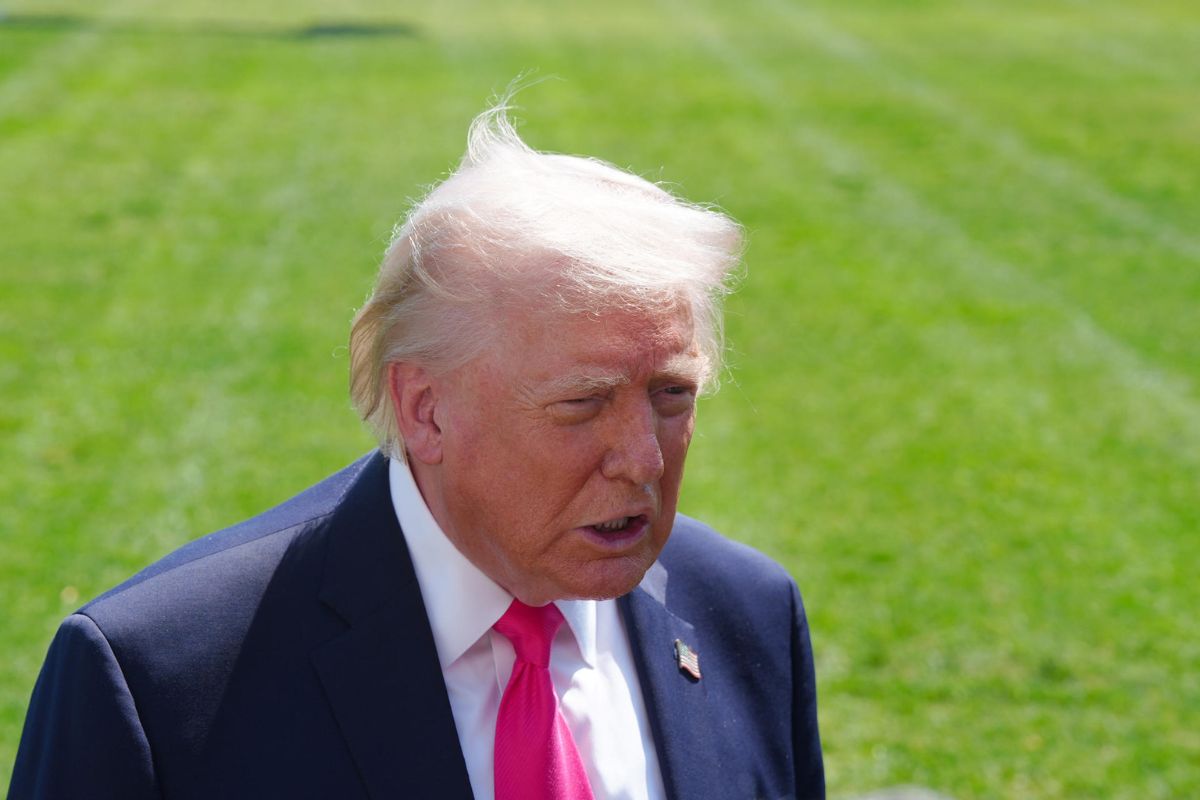
Following this decision, the government launched a system to return the money to those who paid these tariffs.
“What Donald Trump presented just over a year ago as ‘Liberation Day’ for the U.S. economy is now being dismantled. Washington begins returning tariffs that the court…” pic.twitter.com/YUvdSUACyu
— DW Español (@dw_espanol) April 21, 2026
First phase prioritizes thousands of companies
U.S. Customs has activated an initial phase of payments totaling about $127 billion.
This stage is aimed at a large portion of affected companies, which can submit the required documentation through a portal set up for this process.
The system, known as CAPE, will initially cover 63% of eligible companies. Authorities estimate that once applications are approved, refunds will be issued within 60 to 90 days.
In later stages, the program will expand to include older payments that had already been settled.
Who qualifies to receive the money?
The direct beneficiaries of these refunds are companies that paid tariffs under the IEEPA, as well as customs brokers who made those payments on behalf of importers.
This includes large corporations that faced additional costs while the tariffs were in effect.
More than 3,000 companies, including Costco and FedEx, have pursued legal action to secure the return of these funds.
During the period when the tariffs were active, these companies had to make difficult decisions: absorb the costs, reduce purchases, or pass the increases on to consumers.
Are consumers excluded from Trump tariff refunds?
One of the most important points is that consumers cannot directly claim these refunds.
Although many paid higher prices for imported goods due to the tariffs, the CAPE system is designed exclusively to return money to those who made the formal payments: importing companies.
This means that, in most cases, the money will not automatically return to those who purchased those products.
Possible exceptions in specific cases
Despite this limitation, there are some situations where consumers might receive indirect refunds.
Shipping companies such as FedEx and UPS, which in some cases charged tariffs directly to customers, have indicated they could return those amounts once they receive refunds from authorities.
Additionally, there are ongoing class-action lawsuits seeking to force certain companies to share those refunds with consumers, although these cases are still in the judicial process.

You may also like: Can You Buy a House in the U.S. Today? Yes—Here’s What You Need and Your Options
New tariffs and ongoing economic debate
Following the Supreme Court ruling, President Trump implemented a new temporary global tariff of 10% using a different legal framework.
This tax, applied starting February 24 under Section 122 of the Trade Act of 1974, will last 150 days and is set to expire on July 23 unless Congress decides to extend it.
The stated goal is to reduce the trade deficit and generate revenue to fund expenses such as the military budget or potential tax refunds.
However, the impact of this policy remains under debate. Various studies indicate that both businesses and consumers have borne much of the cost of these tariffs.
- What’s next: As the refund process moves forward, thousands of companies are expected to regain liquidity in the coming months.
However, uncertainty around trade policy and the future of tariffs will remain a key factor for the U.S. economy, especially in a political context shaped by the upcoming midterm elections.