Everything You Need to Know to Vote in Illinois on March 17







Posted on 03/13/26 at 22:53
On Tuesday, March 17, voters in Illinois will head to the polls to participate in the primary elections, a key step in the state’s electoral calendar.
During this day, citizens will decide which candidates will represent each political party in the general elections scheduled for November.
- Why it matters: Primary elections determine which candidates will appear on the final ballot in November.
Participation at this stage can directly influence who will hold public office at the federal, state, and local levels.
Although primaries usually generate lower turnout than general elections, their impact can be decisive. In many cases, the results of this vote determine which candidates have the strongest chance of winning public office in November.
What Is Decided in Illinois During the Primary Elections
Primaries are internal elections in which each political party selects its candidate to compete in the general election. In Illinois, voters do not need to be previously affiliated with a party to participate in this process.
On election day, each voter chooses a party ballot and votes only for the candidates listed on that ballot. The candidate who receives the most votes within their party becomes the official representative in the general election.
This system allows voters to directly influence which candidates will compete for public office in November.
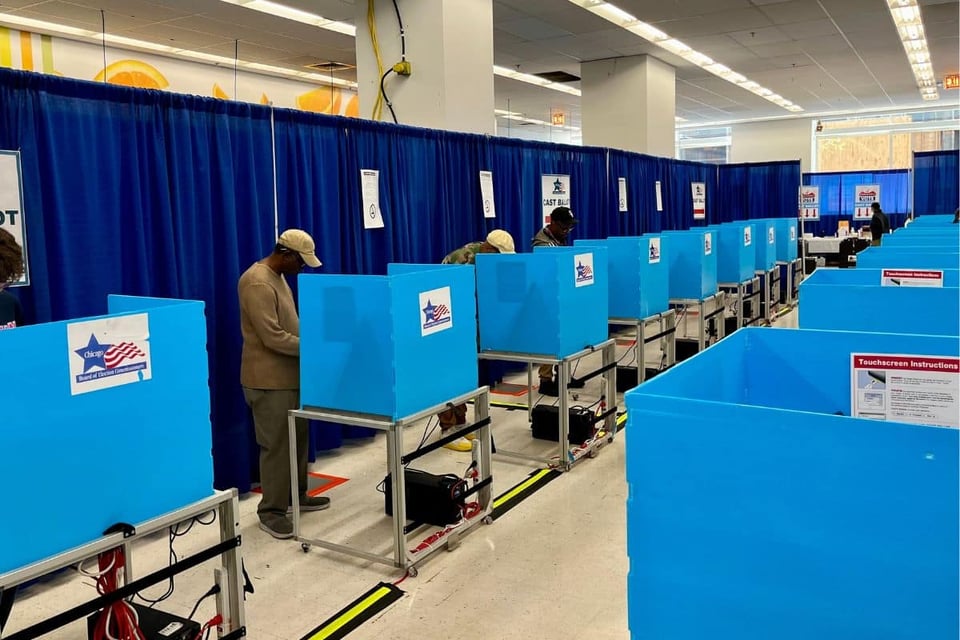
According to the Illinois State Board of Elections, this process is part of the state’s electoral system and is used to determine candidates for different levels of government, from federal offices to state and local positions.
Voting Hours and What You Should Know Before Going to the Polls
Polling places in Illinois will be open from 6:00 a.m. to 7:00 p.m. on election day.
This means that anyone who is in line before 7:00 p.m. has the right to vote, even if the process continues after the official closing time.
- Election authorities recommend verifying your assigned polling location in advance, since some voting centers may change between elections.
- In addition to voting on election day, Illinois offers early voting options at several election centers before March 17. This system allows voters to cast their ballot days or even weeks in advance if they cannot attend on the official election day.
Another available option is vote-by-mail, which must be requested in advance from the appropriate county election authority.
Mail-in ballots must meet the established deadlines in order to be counted.

Documents and Requirements to Vote in Illinois
One characteristic of the Illinois electoral system is that most registered voters do not need to show identification when voting.
If a person is already registered correctly in their voting district, they typically only need to confirm their information at the polling place.
However, there are important exceptions.
If a voter registers on election day or updates their address, they must present two forms of identification, and at least one must include the voter’s current address.
Accepted documents may include:
- Driver’s license
- Utility bill
- Lease agreement
- Official correspondence
- Bank or government documents showing an address
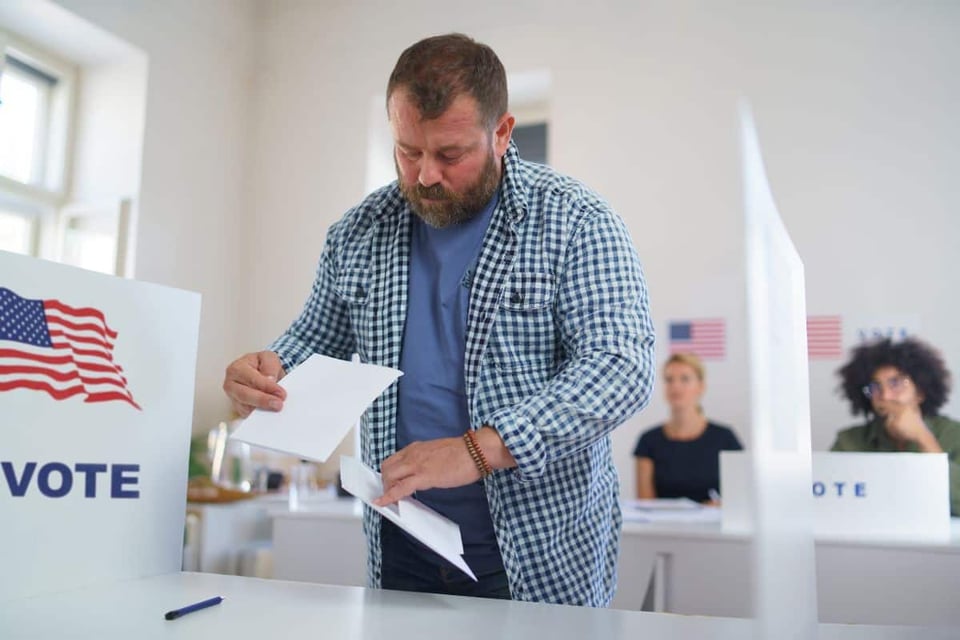
According to the Illinois State Board of Elections and local election officials, these requirements help confirm the voter’s identity and residence when registration occurs on the same day.
To vote in Illinois, individuals must also meet several basic requirements:
- Be a United States citizen
- Have lived in the voting district for at least 30 days before the election
- Be 18 years old before the general election
For primary elections, some 17-year-olds may vote if they will turn 18 before the November general election.
Other Ways to Vote in the Illinois Primary Election on March 17: Early Voting and Mail Voting
In addition to in-person voting on election day, Illinois offers several alternatives to make electoral participation easier.
The main options available are:
- Early voting: allows voters to go to designated centers before the official election day.
- Vote by mail: voters request a ballot from their local election office and return it following official instructions.
Although there will be no presidential election in 2026, this year’s Illinois primaries could still have important implications. https://t.co/OmOBqvjqYq
— Telemundo Chicago (@TelemundoCHI) March 5, 2026
Early voting aims to reduce long lines and provide more flexibility for those who cannot attend on election day.
In the case of vote-by-mail, election authorities recommend sending the ballot with sufficient time to ensure it arrives before the deadline.
You may also be interested in: Blow to Trump: Congressman Leaves the Republican Party and Reveals His Plan
What Happens After the Primaries
Once the March 17 vote is completed and the ballots are counted, the winning candidates from each political party will be determined.
These candidates will appear on the ballot for the November general elections, when voters will ultimately choose the representatives who will hold public office during the next term.
For this reason, primary elections are considered a key stage of the electoral process. Although they receive less attention than general elections, their outcome can shape the political direction of a state or district.
For many voters, participating in this stage is a direct opportunity to influence who will become the final candidates competing to govern or represent their communities.
What’s next: After the primaries, political parties will focus their campaigns on the November general elections, when the contested offices will ultimately be decided.