Five Latina Queens Born in the U.S. Are Transforming Miss Universe and Defying Identity Borders







Posted on 11/20/25 at 16:07
- Latina queens born in the US
- Identities beyond borders
- Pageant redefines nationality
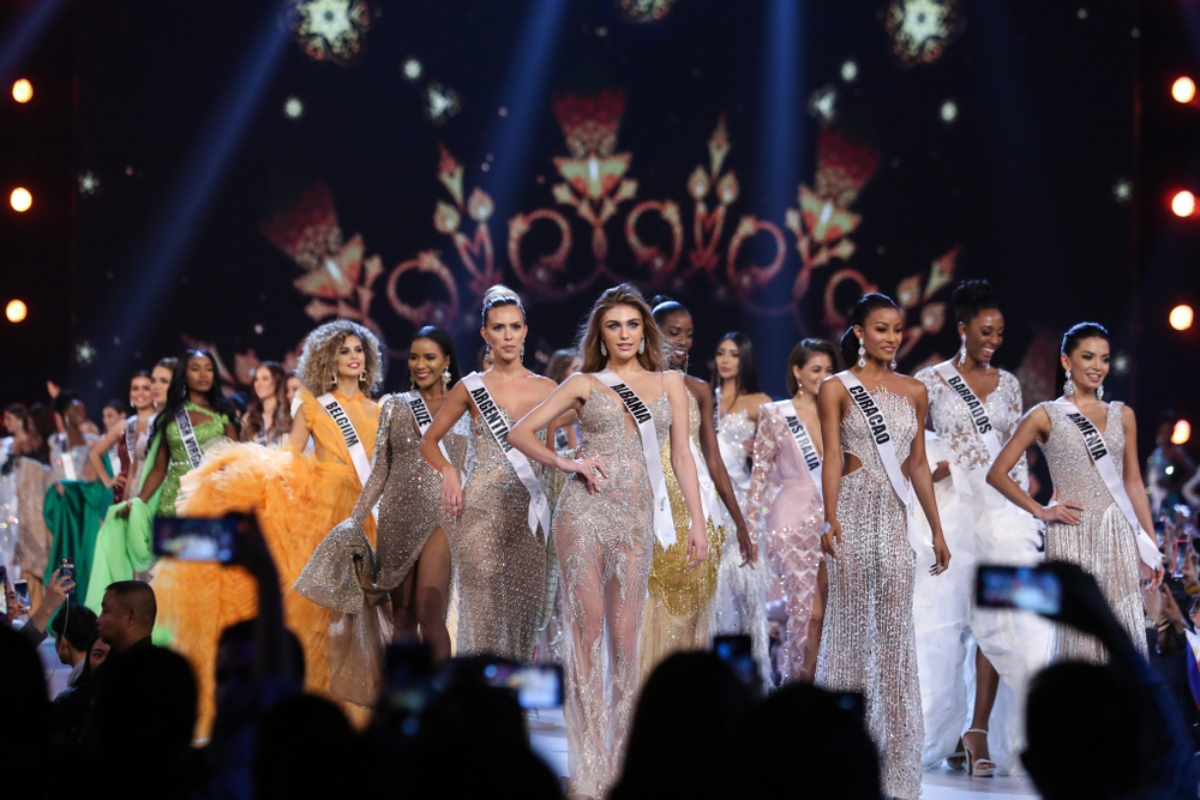
A historic record marks this year’s Miss Universe edition: five contestants born or selected in the United States are competing on behalf of different nations—from the US to Latin American countries and even exiled communities.
The organization and several participants celebrate this shift as part of a new era that redefines what it means to carry a national sash on a global stage.
“I applaud it, because now more than ever nationality and identity are not defined by the place where you were born,” said Jacqueline Bracamontes, Miss Mexico 2000 and host of the pageant.
The competition, which concludes this week in Thailand, has become a space where migration, heritage and politics converge in a visible way.
Exiled Queens Spark a Historic Phenomenon
Cuban-American Lina Luaces Estefan has become one of the most talked-about contestants after becoming the second Miss Cuba chosen from Miami—more than 40 years after Cuba last participated in Miss Universe.
Her crowning generated excitement among Cubans on and off the island, but also criticism from state-run outlets like Cubadebate.
You may also like: Who Will Win Miss Universe? Osmel Sousa Surprises by Revealing His Favorites Ahead of Miss Universe 2025
“Lina was not born in the largest island of the Antilles… she doesn’t even speak fluent Spanish,” questioned an article published by the outlet.
Miss Cuba has been selected in Miami for the second consecutive year due to Cuba’s ban on the pageant since 1960.
Miss Nicaragua Backed by the Exile Community
Meanwhile, Miss Nicaragua, Itza Castillo—born in Managua but supported strongly by the exile community in Miami—has faced silence from the government of Daniel Ortega.
Nicaragua expelled the Miss Universe franchise after Sheynnis Palacios won the crown in 2023.
Prince Julio César, director of Miss Cuba, explains that many competitions are now held abroad because “governments have closed opportunities for the girls who live there.”
US-Raised Latinas Conquer International Crowns
Californian Nadia Mejía, representing Ecuador, has faced criticism for moving to the country to compete and for her Spanish accent.
“The real language is the language of the heart—love,” she responded when questioned about the way she speaks.
Ecuadorian host Danilo Carrero said he is “proud that Nadia represents” Ecuador and defended her right to carry the flag.
“I feel her roots are Ecuadorian… she has as much right as anyone else,” he insisted.
Carrero compared the trend to soccer, where athletes often represent countries based on family heritage rather than birthplace. Nadia’s case reflects a growing phenomenon: daughters of migrants who proudly embrace their hybrid identities.
Flexible Miss Universe Rules Support the Presence of These Contestants
Telemundo and Peacock host Carlos Aydán explained that Miss Universe allows women to compete if they either hold the nationality of the country or are daughters of someone born there.
“The contestants from the US aren’t the only ones,” he emphasized, noting that Miss Turks and Caicos is also Dominican-born.
This year, 119 contestants are competing, with Cape Verde, Mayotte, Palestine and Rwanda debuting in the pageant.
For the first time, a representative of Latinos in the US is also competing: Yamilex Hernández, selected on the reality show “Miss Universe Latina.”
“Borders have officially stopped determining which flag is in your heart,” Bracamontes concluded, describing this new multicultural era of Miss Universe, according to EFE and Diario AS.