Trouble Sleeping? These 4 Vitamins Could Help Improve Your Sleep!








Posted on 03/05/26 at 18:34
- Vitamins to Improve Your Sleep
- Deficiencies Affect Rest
- Consult a Doctor Before Supplementing
Poor sleep is not always caused only by stress or spending too much time in front of a screen.
Science has shown that the relationship between nutrition and sleep is deep and bidirectional: what you eat affects how you sleep, and sleeping poorly can also influence your eating habits.
According to analyses shared by Psychology Today, several vitamins and minerals play a role in regulating rest, circadian rhythms, and the production of key hormones.
If you feel like you are not resting well, these vitamins that help you sleep could make a real difference.
Vitamins to Improve Your Sleep: The Connection That Affects Your Rest

Relax Your Mind and Muscles With Magnesium
Magnesium is considered one of the most important minerals for sleep.
Why does it matter?
- It participates in more than 300 metabolic processes.
- It helps calm neuronal activity.
- It promotes muscle relaxation.
In simple terms, when magnesium levels are adequate, the nervous system slows down and the body can more easily enter rest mode.
Some studies on supplementation have observed improvements in:
- Total sleep time
- Sleep efficiency
- Time needed to fall asleep
The problem is that many people do not reach adequate magnesium levels, either due to nutrient-poor diets or natural depletion of the mineral.

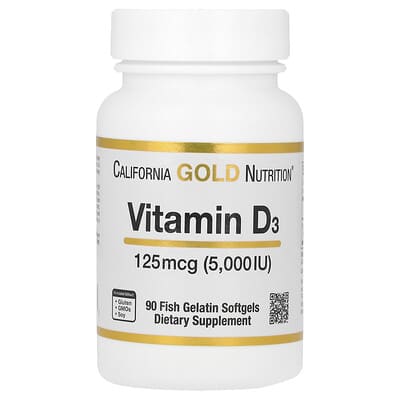
Adjust Your Internal Clock With Vitamin D
Vitamin D is often associated with bone health, but it also plays an important role in sleep.
Research compiled by Psychology Today has found that low vitamin D levels are linked to shorter sleep duration and poorer sleep quality.
Additionally:
- It may influence circadian rhythm regulation.
- It has been linked to frequent nighttime awakenings.
- Its deficiency is associated with a higher risk of sleep disorders.
One key point: sunlight is its main source.
However, many people do not get enough sun exposure or may have low levels during certain times of the year.
Boost Serotonin and Melatonin With Vitamin B6
Vitamin B6 plays a crucial role in the production of two essential hormones:
- Serotonin (well-being and emotional regulation)
- Melatonin (the body’s biological sleep signal)
When there is a vitamin B6 deficiency, symptoms may include:
- Difficulty falling asleep
- Mood disturbances
- Insomnia
Evidence suggests that this vitamin directly participates in balancing the sleep–wake cycle, making it one of the key vitamins that help you sleep.
However, experts warn that supplementation should be done under medical supervision, since excessive levels can have negative effects.

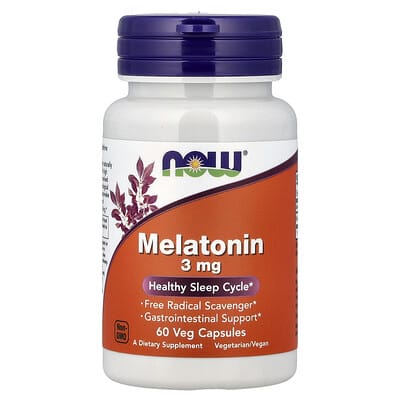
Activate the Sleep Signal and Sleep Better With Melatonin
Melatonin is the hormone that tells your body: “It’s time to sleep.”
It is naturally released when light levels decrease and helps:
- Initiate sleep
- Maintain sleep continuity
- Adapt to schedule changes
Melatonin can be especially useful when there are routine disruptions or difficulty falling asleep.
It is important to remember that melatonin does not force the body to sleep—it synchronizes the biological clock.
Its effectiveness also depends on healthy habits, such as reducing exposure to artificial light at night.
The Key Point: Diet and Sleep Go Hand in Hand
Experts agree on something essential:
- A poor diet can affect sleep quality.
- Lack of sleep can alter appetite and eating habits.
Optimizing your nutritional status can help improve sleep patterns, but it does not replace healthy sleep habits.
Before starting any supplement, it is recommended to:
- Improve your diet
- Evaluate possible deficiencies
- Consult with a healthcare professional
Sometimes the solution to better sleep is not just changing your pillow—but reviewing what you give your body every day.
Better Sleep Doesn’t Always Require Complicated Solutions

Nutrients such as magnesium, vitamin D, vitamin B6, and melatonin play key roles in the biological processes that regulate sleep.
However, every body is different, and what works for one person may not work the same for another.
Listening to your body and paying attention to signals such as constant fatigue or frequent awakenings is the first step toward restoring truly restorative sleep with the help of vitamins that help you sleep.
Disclaimer: This content is for informational and educational purposes only. It does not replace professional medical evaluation, diagnosis, or treatment. Before starting any supplement or making changes to your routine, consult a physician or healthcare professional to determine what is appropriate for you.
You may also be interested in: 6 powerful reasons why you should take collagen and improve your life!
Affiliate notice: Some links in this article may be affiliate links. This means we may receive a commission if you make a purchase through them at no additional cost to you. We only recommend products we consider relevant to the topic discussed.
Have you tried any of these vitamins that help you sleep, or do you notice that you sleep less than recommended?
Source: Psychology Today / Performance Lab. “Can vitamins help with insomnia and lack of sleep?”