Is Your Cortisol High? Silent Signs and How You Can Fix It







Posted on 04/29/26 at 00:00
- Cortisol: The Key Stress Hormone
- Affects the Entire Body
- High Levels Harm Health
Cortisol is often called the “stress hormone,” but reducing it to just that falls short.
In reality, it is a steroid hormone produced by the adrenal glands that directly impacts nearly every system in the body—from how you use energy to how well you sleep.
What Is Cortisol and How to Understand It?

When levels are balanced, the body functions in a coordinated way: it regulates inflammation, stabilizes blood pressure, and enables an appropriate response to stressful situations.
The problem arises when stress becomes constant and cortisol remains elevated for long periods.
In a scenario of high cortisol, what should be a survival tool turns into a source of strain, disrupting key body functions and progressively affecting health as part of its symptoms.
Signs Your Cortisol Is High
The body often sends warning signals when cortisol stays elevated over time:
- Constant fatigue
- Anxiety or irritability
- Sleep problems
- Increased abdominal weight
- Difficulty concentrating
Key insight: These high cortisol symptoms appear because the body enters a constant “alert mode,” as if it were facing a continuous threat.
How High Cortisol Symptoms Affects Your Body
The impact of high cortisol is not isolated—it affects multiple systems at once:
Weakened immune system
Defenses drop, increasing the risk of infections and illness.
Digestive problems
May cause gut inflammation, indigestion, or irritable bowel syndrome.
High blood pressure
The cardiovascular system is affected, increasing heart disease risk.
Sleep disturbances
Makes it harder to fall asleep and achieve deep rest.
Increased body fat
Especially around the abdomen, along with stronger cravings for sugar and fats.
Hormonal imbalances
Can affect menstrual cycles, fertility, or sexual function.
Skin changes
Includes dryness, acne, or premature aging.
Core point: Chronic high cortisol reduces the body’s efficiency.
What You Can Do to Lower Cortisol
A high cortisol treatment isn’t about one single action—it requires consistent habits:
- Sleep better: Rest naturally regulates hormone levels
- Move your body: Physical activity reduces stress and improves metabolism
- Practice breathing and meditation: Activates the body’s relaxation system
- Improve your diet: Balanced nutrition stabilizes blood sugar
- Reduce daily stressors: Avoid habits that keep your body in constant tension
Supplement Support (Additional Help)
These supplements don’t “eliminate” cortisol, but they can help the body manage stress more effectively when combined with healthy habits.
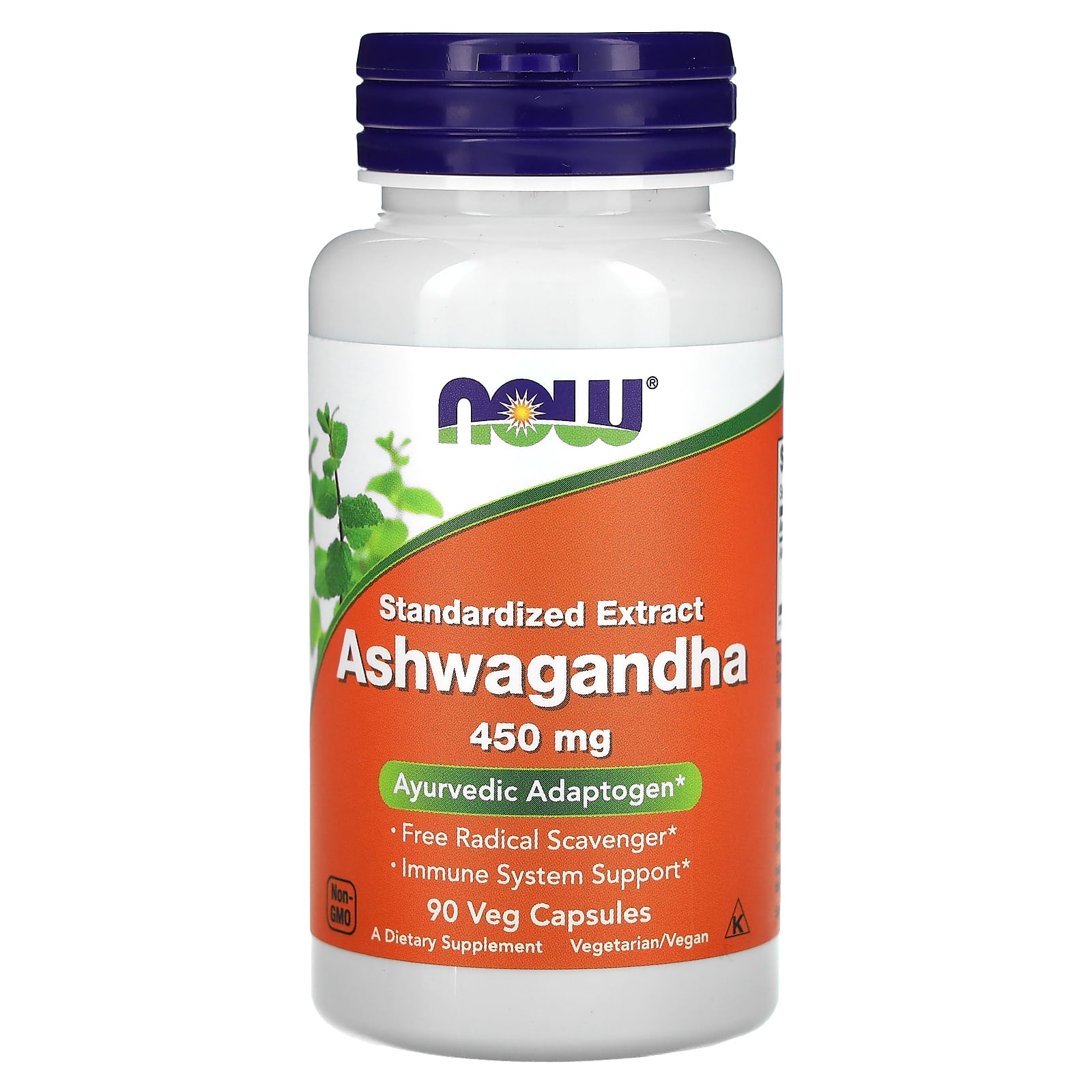
Ashwagandha: The Key Adaptogen
- A plant used to help the body adapt to stress.
- It regulates the nervous system and stress hormone axis.
- Some studies show it may reduce cortisol levels by 11% to 30% in people with chronic stress.
- It may also improve sleep and reduce anxiety.
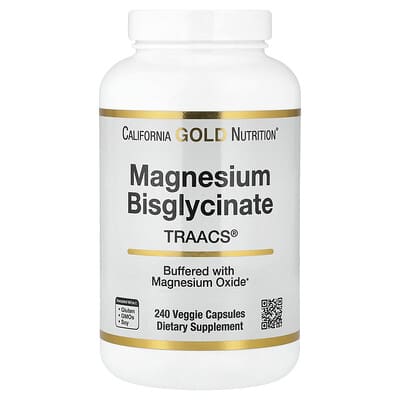
Magnesium: The Relaxation Mineral
- Supports the nervous and muscular systems.
- Stress increases magnesium use, worsening imbalance.
- Helps calm the nervous system and improve relaxation and sleep quality.
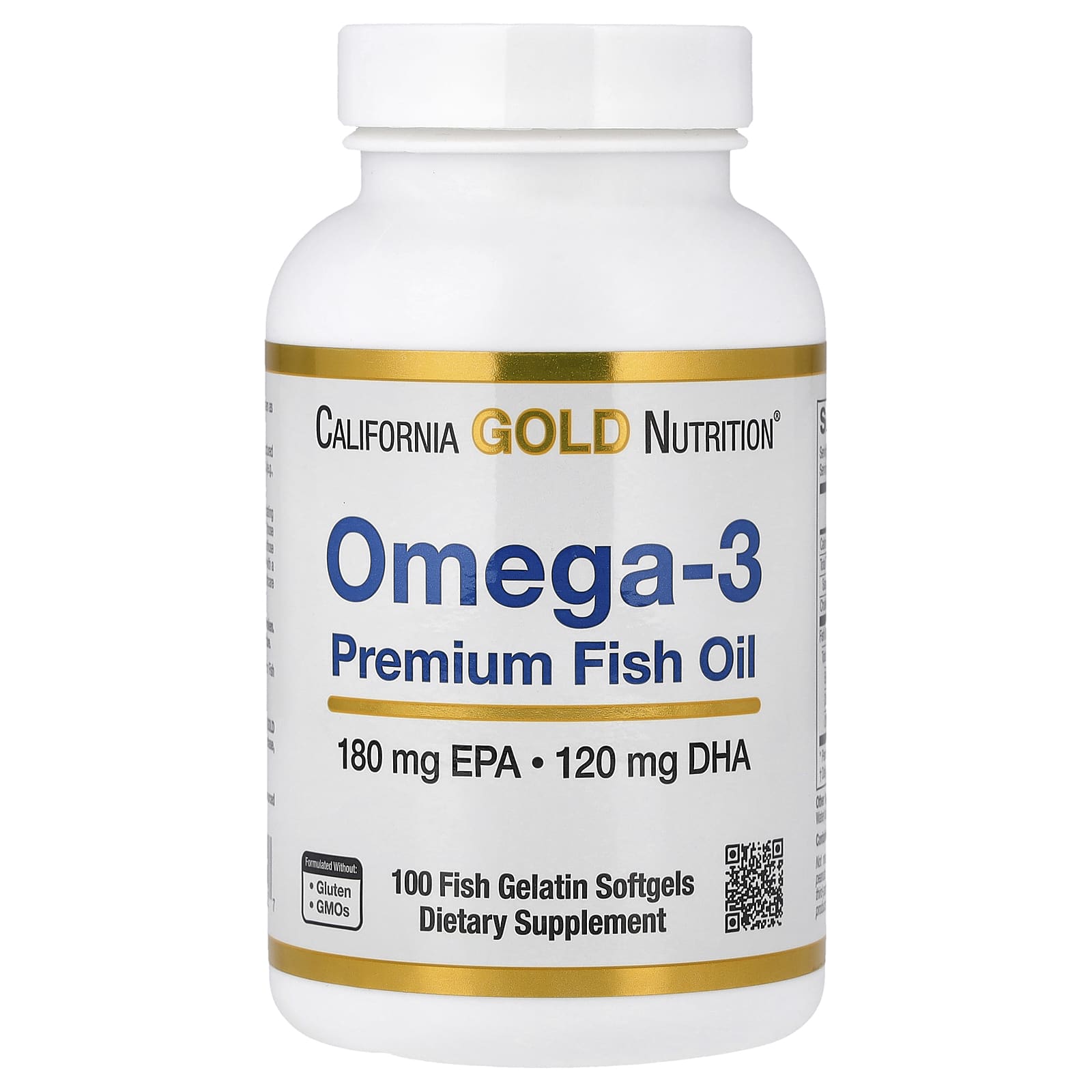
Omega-3: Anti-Inflammatory Support
- Does not directly lower cortisol but reduces inflammation and improves stress response.
- May help lower cortisol levels and improve mood during prolonged stress.
- Also supports brain and heart health.
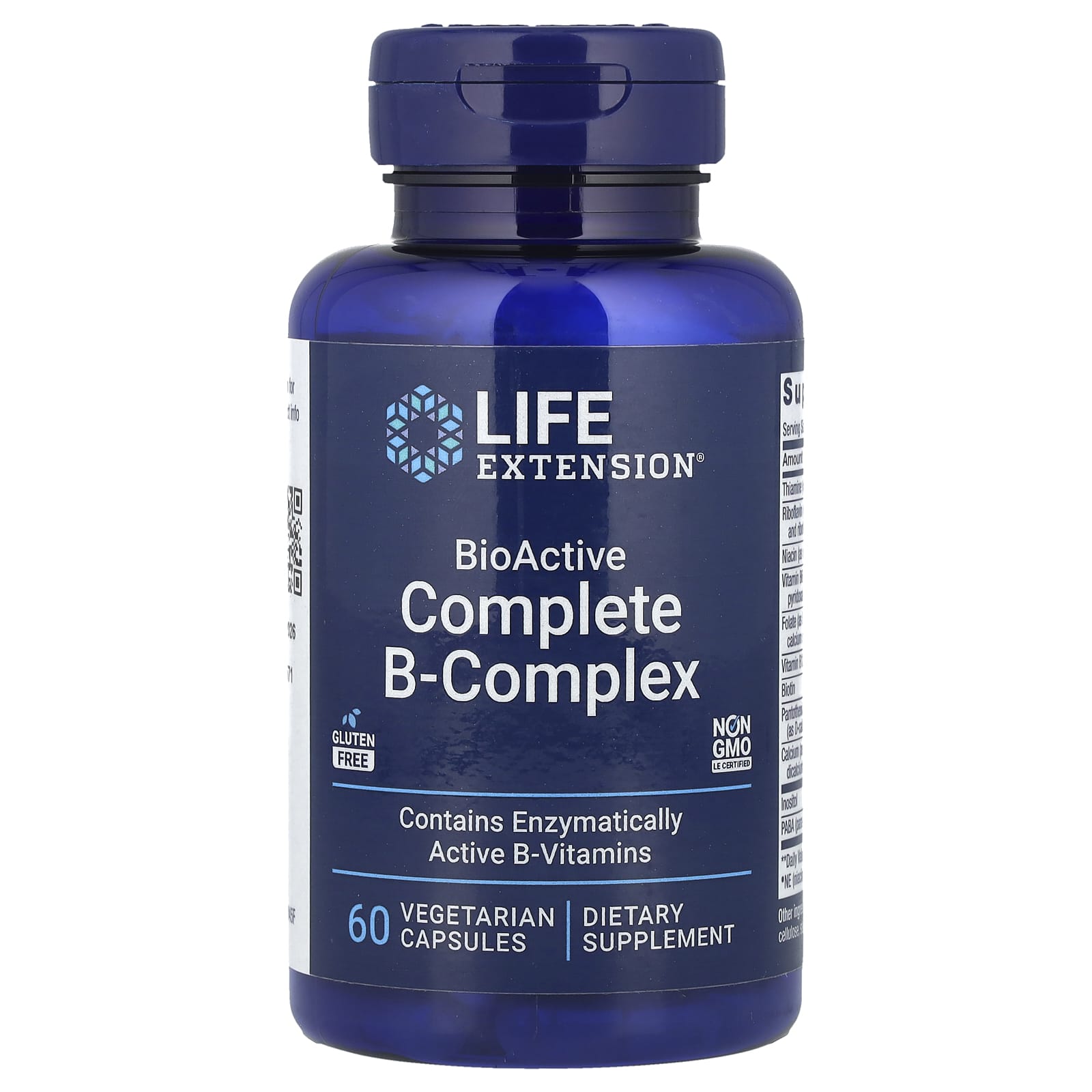
B Complex: Energy and Nervous System Support
- B vitamins (B5, B6, B12) are essential for neurotransmitter production.
- They support adrenal gland function, which produces cortisol.
- Deficiency may lead to fatigue, anxiety, and irritability.
Important point: Supplements can help, but they don’t replace the essentials—good sleep, proper nutrition, and stress reduction.
Experts emphasize their role is complementary, not a magic solution.
What You Should Keep in Mind
Cortisol is not “bad.”
It is essential for survival and stress response.
The problem occurs when the body cannot return to balance.
The key is recognizing warning signs early and adjusting daily habits.
The body can regulate itself—but it needs the right conditions.
You may also be interested in: Sleep With Clothes or Without? The Secret to Better Rest According to Experts
Disclaimer: This content is for informational and educational purposes only. It does not replace professional medical diagnosis or treatment. If you have symptoms or health concerns, consult a healthcare specialist.
Note: Some mentioned products or supplements may include affiliate links. This means we may earn a commission at no additional cost to you.
Have you noticed signs of stress in your body lately? Share your experience.
SOURCE: Cleveland Clinic / AARP. ¿Qué le pasa a tu cuerpo cuando tienes exceso de cortisol?