Profe Claudio Nieto: Ovulatory and Luteal Phases







Posted on 02/12/24 at 08:58
- Profe Claudio Nieto explains a bit about the ovulatory phases.
- Hormonal fluctuations, such as estrogen and progesterone, impact the body and mind during the menstrual cycle.
- Adjusting exercise, diet, and self-care routines according to the menstrual cycle phase is key to optimizing well-being.
In our journey through the complex and fascinating world of the menstrual cycle, we have explored the crucial first phase, the follicular phase.
Now, we turn our attention to two equally significant stages: the fertile phase and the luteal phase. These phases are not only relevant for women but also for us, men.
Let’s remember that the menstrual cycle consists mainly of three phases: follicular, ovulatory, and luteal. In the follicular phase, we observe an increase in the hormone estrogen and follicle-stimulating hormone (FSH).
During the fertile phase, eggs mature, and there is increased secretion of estrogen, the amount of which is analyzed by the hypothalamus to determine maturity.
The Ovulatory Phase

Subsequently, the hypothalamus generates high levels of luteinizing hormone (LH), which triggers the release of the mature egg, initiating the ovulatory phase.
During this stage, the egg travels to the uterus, marking the days of highest fertility in women.
It is important to note that during these fertile days, the chances of conceiving increase significantly.
This is the basis of ovulation tests, which detect elevated levels of LH in urine, indicating the optimal time for fertilization.
The Central Phase
The ovulatory phase, or the «central phase» of the cycle, typically lasts between one and four days, coinciding with days 11, 12, 15, and 16 of the menstrual cycle.
During this phase, there is a peak in estrogen and testosterone levels, which can reduce appetite and increase libido.
Many athletes take advantage of this period to slightly adjust their calorie intake, as decreased appetite may facilitate fat loss, in addition to the fact that basal metabolism and body temperature tend to increase.
These hormones also contribute to an increase in muscle strength, suggesting the opportunity to intensify training in competitive athletes.
Precautions
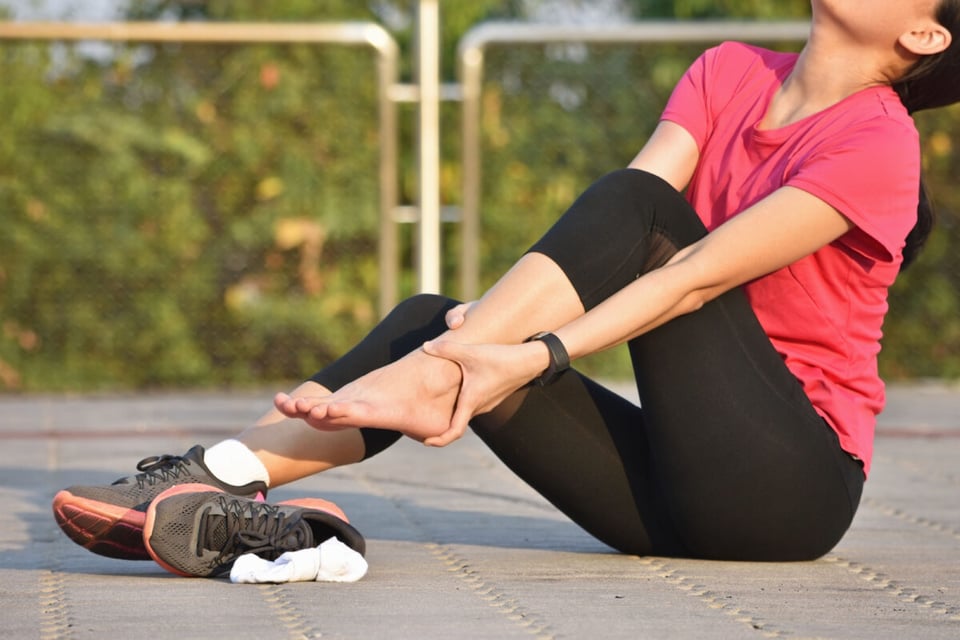
However, it is important to exercise caution, as during ovulation, there is an increased risk of injuries due to the sudden increase in strength, which may exceed the joint’s capacity to withstand it.
After ovulation, the luteal phase comes into play, which spans from the end of fertile days to the days leading up to menstruation. During this stage, the body produces progesterone, which balances the effects of estrogen.
Progesterone reduces the thickness of the uterine lining and prevents breast cancer, among other benefits.
It also stimulates thyroid gland activity and reduces inflammation, aiding in muscle recovery and promoting relaxation.
Side Effects

However, a lack of progesterone can trigger symptoms such as anxiety, irritability, and fluid retention.
It is essential to maintain a balanced diet during this phase, prioritizing healthy fats and reducing the intake of refined carbohydrates.
Additionally, some supplements such as GABA, magnesium, and vitamin B can help mitigate potential progesterone deficits.
Regarding training, it is recommended to adjust intensity and focus on gentle cardiovascular activities at the beginning of the luteal phase.
Cycle Phases
This is due to decreased insulin sensitivity and increased use of fats as an energy source.
In summary, understanding the different phases of the menstrual cycle and their hormonal implications is not only crucial for women’s reproductive health but also for optimizing physical and mental performance in both sexes.
Knowing and respecting hormonal changes throughout the menstrual cycle allows us to adapt our exercise, diet, and self-care routines to achieve holistic well-being.
Profe Claudio Nieto bids you farewell and hopes this information is useful to you. Until next time!