Colombian family self-deports out of fear of an ICE arrest and the trauma it could cause their children







Posted on 12/05/25 at 10:45
- Colombian family self-deports
- Constant fear of ICE
- Children affected by fear
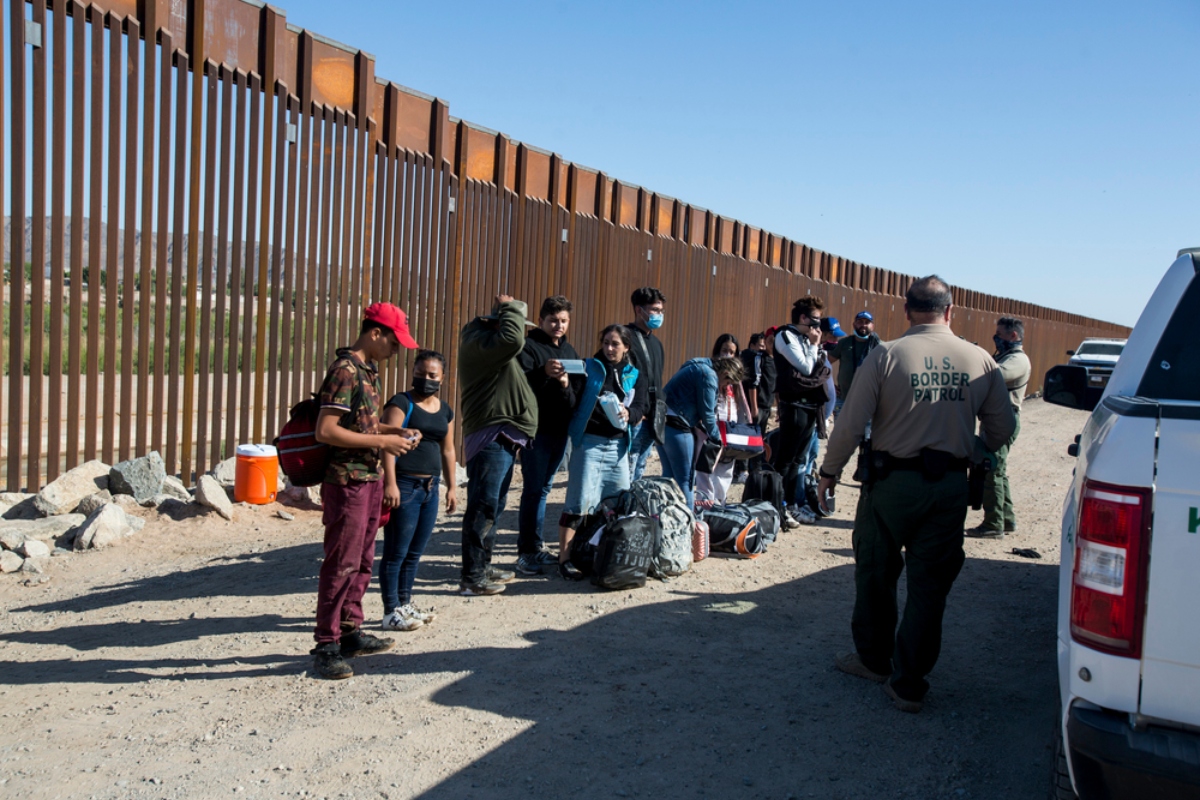
The fear of an immigration arrest marked the end of the road for a Colombian family who decided to self-deport from the United States to prevent their children from experiencing irreversible trauma.
The mother, Yarlidis Goez-Santos, explained that living under constant fear of ICE became unbearable after authorities arrested and deported her husband last January.
“I don’t want my children to suffer the trauma of ICE detaining me on the street, handcuffing us or dragging us out of the house by force,” she said before leaving the country.
With the first rays of sunlight in Tucson, Arizona, the family organized their departure after months of uncertainty and ongoing anguish.
A cycle of fear that transformed their daily life

The Colombian woman explained that her husband’s arrest occurred while he was on his way to work. “They were already hunting him, waiting for him on the street. Suddenly they blocked him and took him away,” she recalled.
From that moment on, their home was marked by fear, which intensified when ICE agents knocked on the door months later.
YOU MAY BE INTERESTED: “So cruel”: Donald Trump promotes a “Christmas gift” for immigrants and sparks backlash
“I didn’t open the door, I didn’t answer them, but I knew they were already looking for me,” she said, describing how she stopped going out and restricted all activities to what was strictly necessary.
The family had arrived three years earlier after fleeing violence in Colombia, crossing through El Paso and seeking asylum—a process that was ultimately denied for the couple.
The emotional weight and the decision to self-deport
Goez-Santos said she was practically living in hiding, limiting her life to caring for her children and urgent outings such as medical visits.
Despite the dangers she experienced, she said she would attempt to reach the United States again. “I met very good people who helped us, and I’m very grateful,” she said.
However, the dream that once motivated her to come to the country faded—especially under President Donald Trump’s immigration policies.
“I’m really afraid of returning to Colombia. We don’t know what the situation is there, we don’t know what awaits us,” she said while wrapping her children in blankets as they prepared to self-deport.
The end of the American dream
The Colombian mother used the “CBP Home” application from U.S. Customs and Border Protection to begin the self-deportation process and coordinate her surrender with ICE.
“They told us in Tucson that we will travel to Louisiana, and from there we will fly to Colombia,” she explained about the family’s next steps.
The U.S. government promised her $1,000 for leaving voluntarily, although she still does not know when she will receive the money.
She said that if she gets it, she will invest it in her children’s well-being—two of whom are U.S. citizens—while the youngest is only eight months old.
Colombian family self-deports from the U.S. out of fear of the “trauma” of an arrest https://t.co/f6sa6zSHAp
— ZonaCero (@zonacero) December 3, 2025
A farewell marked by pain
The eldest daughter, 9 years old, tearfully expressed her anxiety about the family separation. “I was very scared. After they deported my dad, I didn’t want to go out. I want to leave so I can feel calm,” she said while holding a doll.
ICE informed them that they could only bring one 40-pound suitcase each. “It’s hard to pack a life into one suitcase—to pack your dreams,” the mother lamented.
According to EFE and Hola News, the grandmother, Iveth Rubio, remained in Arizona awaiting a decision in her asylum process. “Everything will be okay,” she told her granddaughter to comfort her.
Before leaving, Goez-Santos sent a message to President Trump:
“I would like to say that he should remember he also comes from an immigrant family, and not all immigrants are bad.”