U.S. Blocks Iran-Linked Ships in the Strait of Hormuz, Increasing Pressure







Posted on 04/16/26 at 12:54
- US blocks Iran-linked ships
- Hormuz key to the conflict
- Economic pressure on Iran
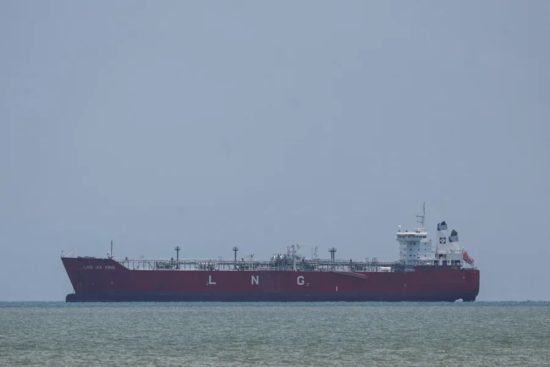
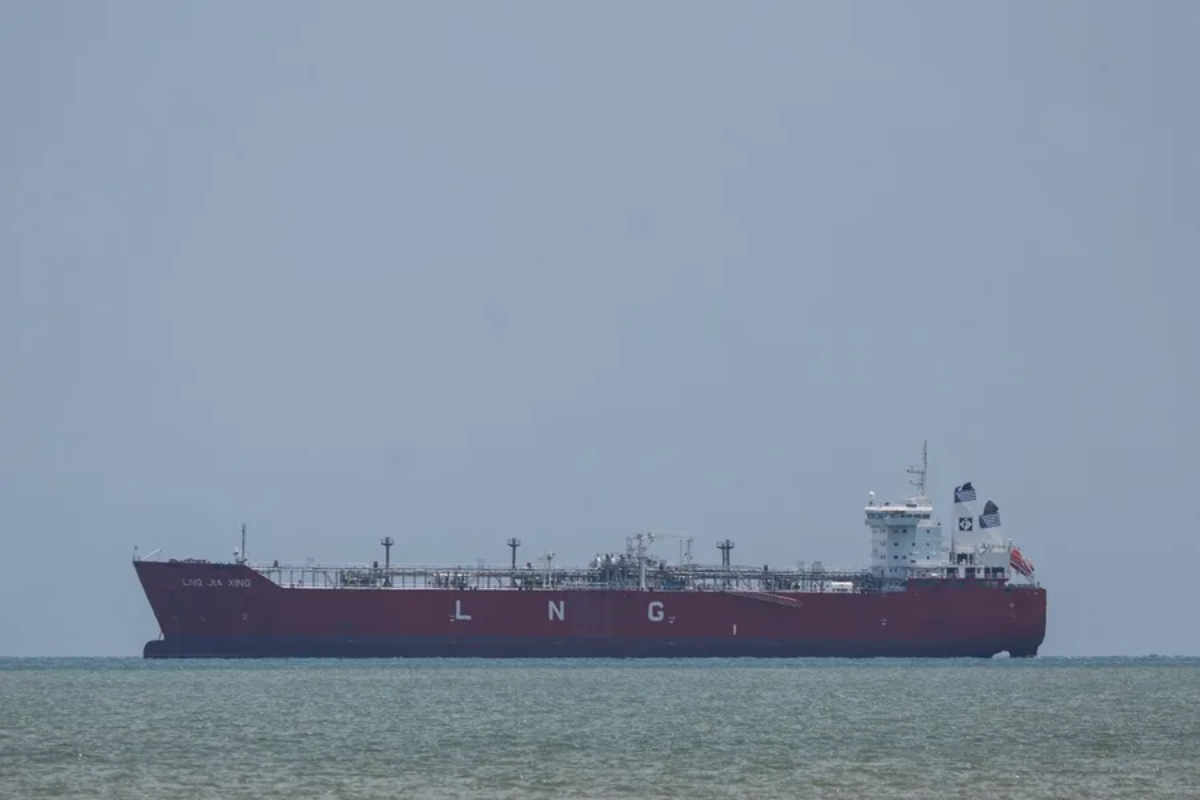
The United States said it has intensified pressure on Iran after implementing a maritime blockade in the Strait of Hormuz, one of the most critical routes for global oil trade.
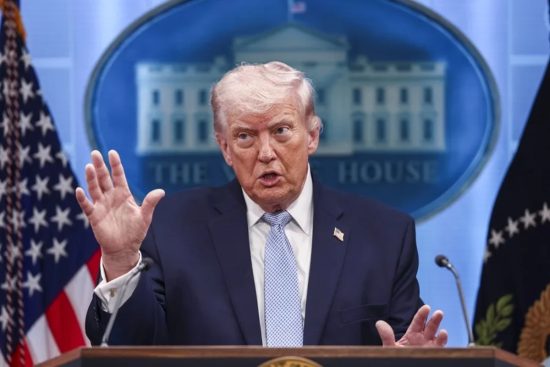
United States Central Command reported Wednesday that it has stopped ten vessels with origin or destination in Iran within the first 48 hours since the measure ordered by Donald Trump took effect.
The move is part of a broader strategy to pressure Tehran amid negotiations aimed at ending the conflict that began on February 28.
US maritime blockade halts Iran-linked vessels
After implementing the blockade on ships entering and departing Iranian ports, American forces halted economic trade going into and out of Iran by sea. U.S. Sailors, Marines, and Airmen remain positioned and ready to act against any vessels seeking to violate the blockade. pic.twitter.com/JJag3tNdx2
— U.S. Central Command (@CENTCOM) April 15, 2026
According to EFE, CENTCOM stated that US forces have forced ten ships to change course in the Strait of Hormuz.
According to the command, “zero ships have broken the US blockade since it began on Monday.”
Operations include the presence of 5,000 sailors from the Abraham Lincoln Carrier Strike Group.
The command also highlighted a specific incident that occurred Tuesday.
An Iranian-flagged cargo vessel attempted to evade the blockade after departing from the Port of Bandar Abbas.
You may also like: US Reinforces Troops in the Middle East as Trump Predicts End of War
The USS Spruance (DDG-111) intervened in the situation.
The vessel was redirected and forced to turn back.
CENTCOM stated that US forces remain deployed and ready to act, reinforcing the US blockade of the Strait of Hormuz.
Economic pressure on Iran

The blockade aims to directly impact Iran’s maritime trade.
CENTCOM stated that US forces have “cut off economic trade going into and out of Iran by sea.”
The measure focuses on preventing the transit of vessels linked to Iranian ports.
The goal is to increase pressure on the Iranian government during negotiations.
President Trump ordered the blockade as part of this strategy.
The action comes at a critical moment in the conflict.
Talks between both sides are seeking a resolution to the war that began in February.
Hormuz: a strategic chokepoint
The Strait of Hormuz remains a key point in the crisis.
About one-fifth of the world’s oil passes through this route.
Iran has historically influenced transit through this maritime passage.
This situation has impacted global energy markets.
Oil prices remain above $90 per barrel.
Despite the blockade, some vessels have managed to cross the strait.
At least three tankers passed through on Tuesday.
However, these were not linked to Iranian ports.
The blocked ships were those departing from or heading toward Iran.
The situation remains tense.
Control of the strait and pressure measures continue to shape the direction of the conflict under the evolving US blockade of the Strait of Hormuz.
- What’s next: The evolution of the blockade and Iran’s response will be key in determining whether maritime pressure accelerates an agreement or further escalates tensions in the region.