Andropause: The “Male Menopause” Explained in 6 Key Points by Experts!







Posted on 11/17/25 at 19:57
- Andropause symptoms: Testosterone decreases gradually
- Affects energy and sexual desire
- Can be managed with healthy habits
Andropause, also called “testosterone deficiency syndrome” or “late-onset hypogonadism,” is a natural stage in a man’s life that often goes unnoticed.
Although it is compared with female menopause, it is not the same: men do not completely lose their reproductive capacity, but they do experience a gradual decrease in hormone levels, especially testosterone.
Below are the key points to understand and manage andropause.
Andropause: A Natural Stage in Men

1. What Is Andropause?
Andropause refers to the gradual decline of testosterone, the male sex hormone produced in the testicles.
This reduction does not occur abruptly — it happens slowly over the years.
Beginning around age 30, testosterone levels start to drop, and between ages 45 and 50, many men notice physical and emotional changes.
Unlike women, men can remain fertile throughout their lives, although reproductive capacity decreases.
2. At What Age Does It Start?
There is no fixed age.
Some men begin noticing changes at 45, while others not until 70.
It is estimated that fewer than 7% of men under 70 experience symptoms, but the figure rises to nearly 20% after that age.
Factors that can trigger earlier onset include excess weight, chronic stress, excessive alcohol or tobacco use, and conditions such as diabetes or hypertension.
3. Most Common Andropause Symptoms
Symptoms vary from person to person, but the most common include:
- Decreased libido and erectile difficulties
- Fatigue, low energy, and loss of muscle mass
- Mood changes, irritability, or depression
- Sleep problems, nervousness, or anxiety
- Increased body fat, especially in the abdomen
- Loss of hair, bone mass, and physical strength
These symptoms are often mistaken for normal aging, delaying diagnosis.
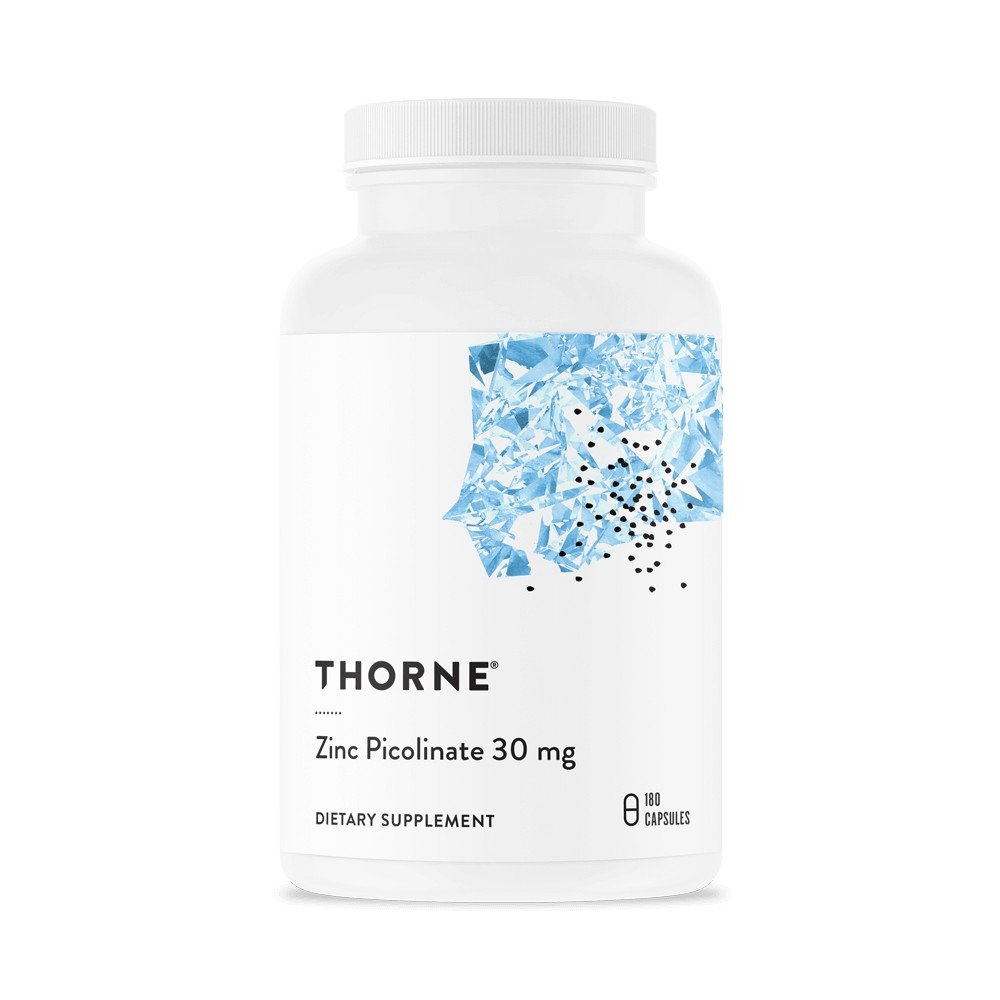
You may consider: Thorne Zinc Picolinate 30 mg
4. Diagnosis and Treatment
To confirm andropause, blood tests are needed to show low testosterone levels in at least two consecutive measurements.
When the deficiency is clear and symptoms affect quality of life, doctors may recommend testosterone replacement therapy via injections, patches, or topical gels.
However, not all men need this treatment — only those with significantly reduced testosterone and persistent symptoms.
5. Natural Tips to Manage Andropause Symptoms
Besides medical treatment, these habits can help improve physical and emotional well-being:
- Maintain a balanced diet high in protein and low in saturated fats
- Exercise moderately at least 2.5 hours per week
- Sleep 7–9 hours each night
- Reduce alcohol, tobacco, and caffeine
- Maintain regular sexual activity to stimulate hormonal function
- Share feelings with your partner or friends to avoid emotional isolation
You may consider: Sunwarrior Omega-3 60 Softgel

6. Myths and Truths
A common misconception is that all men need hormone therapy.
Not true: many age with good quality of life without testosterone treatment.
Another myth is that andropause is “shameful.”
In reality, it is a normal biological stage and has treatment options.
Consulting an endocrinology or urology specialist is the best way to detect it and address it without taboos.
You may consider: Life Extension Vitamin D3

RELATED: Do You Have Toenail Fungus? These Natural Remedies Could Be the Solution!
Andropause does not mean the end of sexual life or masculine vitality.
With healthy habits, medical checkups, and informed decisions, men can maintain energy, health, and well-being throughout this stage.
Disclaimer: This article is for educational purposes only and does not replace professional medical guidance. If you experience andropause symptoms or have concerns, consult a qualified healthcare provider.
Have you noticed any changes in your energy or mood over the years that could be related to andropause?
SOURCE: Reproducción Asistida ORG. “¿Qué es la andropausia? / Lyx Instituto de Urología. “¿Qué es la Andropausia? Síntomas y tratamiento.