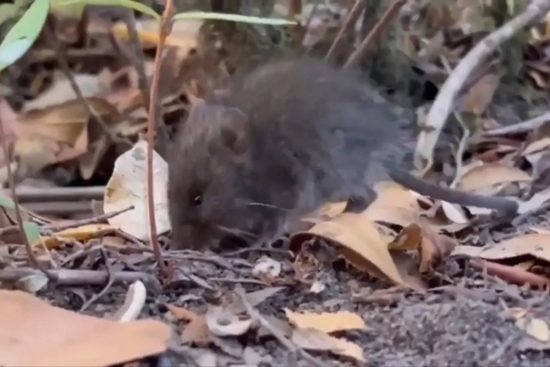
Long-Tailed Pygmy Rice Rat, the South American Rodent That Transmits the Dangerous Andes Hantavirus Strain







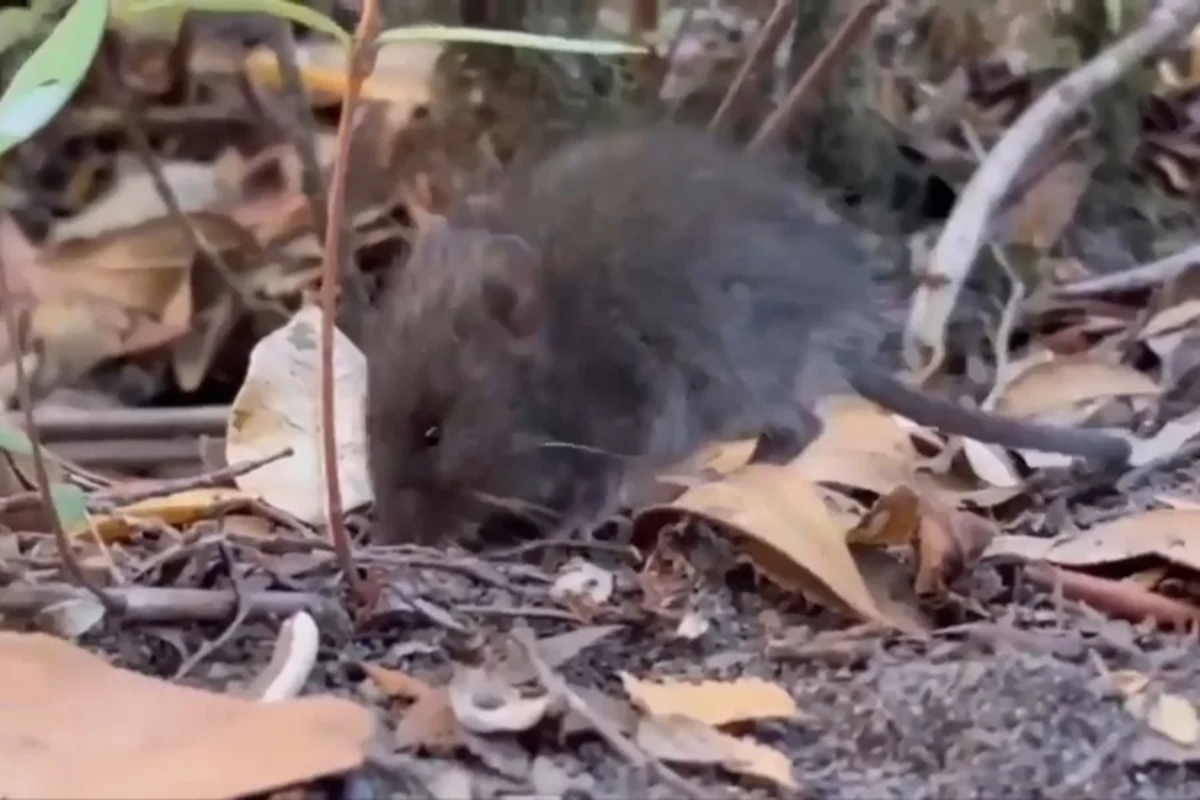
Posted on 05/10/26 at 11:57
- Long-tailed rodent transmits Andes Hantavirus strain
- MV Hondius outbreak under investigation
- Hantavirus raises concern in Patagonia
The long-tailed pygmy rice rat, a small wild rodent found in Chile and southern Argentina, has been identified as the primary transmitter of the Andes strain of hantavirus.
This virus variant has been linked to the outbreak detected aboard the MV Hondius.
The Andes strain is considered the only hantavirus variant capable of human-to-human transmission.
The outbreak aboard the MV Hondius has already resulted in multiple infections and deaths, while experts continue analyzing the behavior of the virus and its connection to the wild rodent.
Health authorities are still investigating where the initial infection of the affected passengers occurred.
The long-tailed pygmy rice rat is the main reservoir of the Andes strain
“The long-tailed pygmy rice rat, the wild rodent from Chile and Argentina that transmits the dangerous Andes hantavirus strain.”
https://t.co/pEmclwxe7Y— EFE Noticias (@EFEnoticias) May 7, 2026
According to EFE, the scientific name of the rodent is Oligoryzomys longicaudatus.
It is a small light-brown wild rodent.
The animal weighs less than 30 grams and has small ears and large eyes.
Its most distinctive feature is its long tail, which can measure up to 14 centimeters — twice the size of its body.
André Rubio from the Faculty of Veterinary and Animal Sciences at the University of Chile has spent years studying the species.
According to Rubio, the long-tailed rodent is a native and protected species.
You May Also Be Interested In: Global Alert! Scientists Accelerate Hantavirus Vaccine Development After Deadly Cruise Ship Outbreak
He also explained that the rodent plays important ecological roles within the ecosystem.
Among those functions are seed dispersal and serving as prey for other animals.
The species mainly inhabits temperate forests in Chile and southern Argentina.
It is also nocturnal and moves by jumping because of the size of its hind legs.
Rubio compared its movement to that of the North American kangaroo rat.
Only a portion of rodents carry the virus
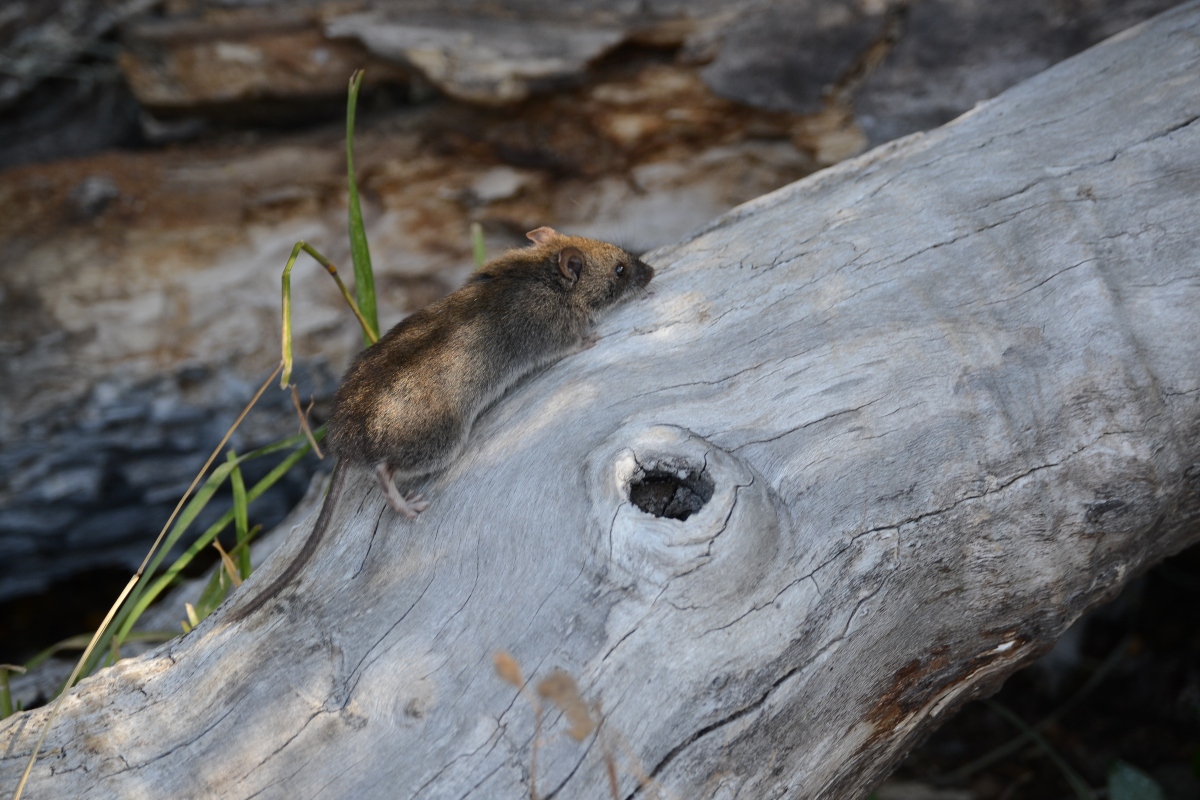
The rodent is considered the natural reservoir of the Andes strain.
According to studies conducted in Chile and Argentina, not all individuals are infected.
Rubio stated that normally between 5% and 10% of the animals carry the virus.
Most carriers tend to be adult males.
The infection rate among rodents can rise to 20% during events known as “ratadas.”
That phenomenon refers to explosive increases in rodent populations.
The Programa Hantavirus: Ecología y Enfermedad en Chile explained that the rodents can reproduce two to three times per year.
Each litter may contain between four and six offspring.
Transmission to humans occurs through inhalation of viral particles from the urine, saliva, and especially the feces of infected rodents.
The program detailed that the droppings are black and shaped similarly to grains of rice.
The virus can cause severe cardiopulmonary complications in humans.
The MV Hondius outbreak remains under investigation
The World Health Organization believes that the first people who developed symptoms aboard the cruise ship may have been infected on land.
The first cases involved a Dutch couple who traveled through Patagonia for four months before boarding the MV Hondius.
Both later died.
Argentina is currently investigating where the infection may have occurred.
Authorities revealed that the couple crossed several times into Chile.
However, Chile ruled out the possibility that the infection originated there.
According to Chilean authorities, the dates of entry do not match the virus’s incubation period.
Chile has recorded 39 hantavirus cases and 13 deaths this year.
So far, authorities have not reported any human-to-human transmission inside the country.
Experts point out that most infections occur during the summer months.
During that period, rodents move closer to populated areas because of food shortages in forests.
Human activity in rural areas and campsites also increases.
Rubio warned that human intrusion into natural environments raises exposure to viruses.
The academic recommended always ventilating cabins and rural storage spaces.
However, he urged calm and stated that the virus survives only a short time in open-air environments.
He also noted that the rodents do not frequently enter homes.