U.S. Auto Industry Absorbs Tariffs Without Raising Prices, but Economic Risks Loom







Posted on 05/14/25 at 16:51
- US auto industry absorbs tariffs
- Car-buying plans decline
- Ford already hikes prices due to tariffs
The 25% tariffs imposed by the Donald Trump administration on imported cars and auto parts have significantly increased costs for manufacturers, yet vehicle prices have remained stable, CNN reported.
Why it matters:
While tariffs on the auto industry being absorbed benefits consumers in the short term, it may be harmful to the economy. Auto sales account for over 4% of the US GDP, and the current drop in demand is a major economic warning sign.
What the experts say about auto industry tariffs:
What experts say:
“We’re definitely anticipating an economic slowdown due to the tariffs,” warned Erin McLaughlin, an economist at the Conference Board, as quoted by CNN.
Jonathan Smoke, chief economist at Cox Automotive, added: “No manufacturer expects to pass the full cost of tariffs on to consumers. The market just won’t allow it.”
Car-buying intentions drop:
- Only 10.5% of Americans plan to buy a car soon.
- Just 2.4% want a new vehicle, according to the Conference Board, down from 2.9% in December.
McLaughlin explained this drop in car-buying intentions is due to concerns over inflation, tariffs, and the labor market.
Some brands are already raising prices:
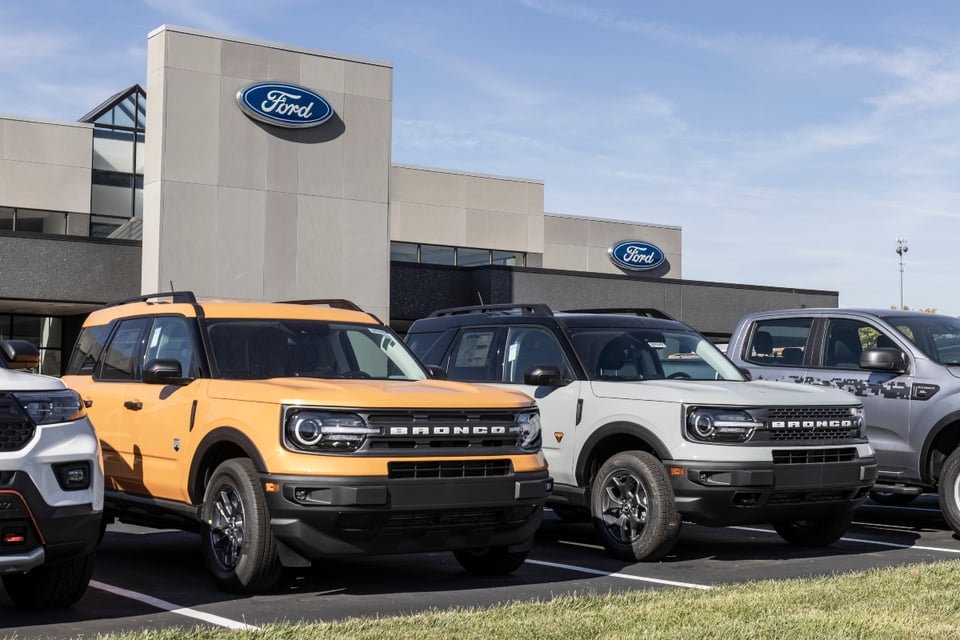
- Ford announced price hikes of $600 to $2,000 on imported models from Mexico, including the Mustang Mach-E, Maverick, and Bronco Sport.
- However, it clarified that these increases don’t apply to vehicles already in dealer inventory, and cited tariffs as “a primary reason.”
Looking ahead:
According to CNN, manufacturers are reluctant to signal any price increases for fear of losing customers or triggering political backlash.
Nonetheless, they acknowledge that prices could change soon:
“Price changes in our industry happen at least monthly,” General Motors CEO Mary Barra told CNN. “We will respond to the market.”
Limited supply, higher prices:
Experts warn that tariffs may restrict the supply of new vehicles, as companies prioritize more expensive, high-margin models, reducing the variety available.
This, due to the law of supply and demand, could drive prices higher even without direct price increases.
You may also like: Ford Raises Prices of Mexico-Made Cars Despite Trump Tariffs