NOAA Warns of a “Very Strong” El Niño That Could Change the 2026 Hurricane Season







Posted on 05/16/26 at 20:18
- El Niño could arrive soon, warns NOAA
- Hurricane intensity may change
- NOAA issues climate warning
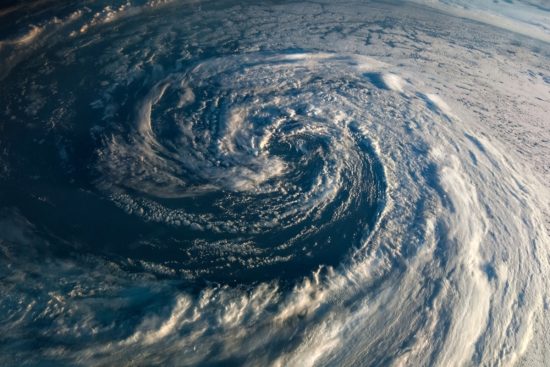
The possible arrival of a “very strong” El Niño has already triggered concern among meteorologists and climate experts, especially because of the impact it could have during the 2026 hurricane season.
New forecasts from the National Oceanic and Atmospheric Administration (NOAA) warn that this climate pattern could drastically modify tropical cyclone activity in both the Atlantic and Pacific Oceans over the coming months.
Why it matters: El Niño is one of the planet’s most influential climate phenomena and has the ability to alter temperatures, rainfall, droughts, and storm seasons across multiple regions worldwide.
In the United States, its effects can be felt from the Gulf Coast to Hawaii.
NOAA warns El Niño could arrive soon
According to a forecast published May 14 by scientists at NOAA’s Climate Prediction Center, El Niño could develop “soon” and reach “very strong” levels by the end of this year.
The agency explained that there is an 82% probability the phenomenon will emerge within the next two to three months and a 96% probability it will continue through the Northern Hemisphere winter between December 2026 and February 2027.
This scenario concerns specialists because of El Niño’s enormous influence on global weather patterns, especially hurricane formation.
“In simple terms, El Niño favors more intense hurricane activity in the central and eastern Pacific basins, while suppressing activity in the Atlantic basin,” NOAA explained in an official report.
The Atlantic may see fewer storms, but risks remain
One of El Niño’s primary effects is increased wind shear in the Atlantic Ocean, an atmospheric phenomenon that makes it more difficult for tropical storms and hurricanes to form.
That could provide some relief for residents along the Gulf Coast and the U.S. East Coast.
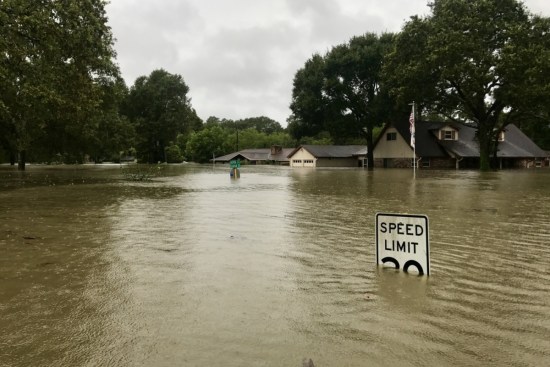
However, experts continue warning that a less active season does not necessarily mean a safe season.
Meteorologists repeatedly stress that “it only takes one” hurricane to turn any season into a catastrophe.
Meanwhile, conditions in the Pacific Ocean produce the opposite effect: wind shear weakens, favoring the development of stronger and more frequent cyclones.
Hawaii and the Pacific could face a more active season
NOAA warned that El Niño typically intensifies tropical cyclone activity across the central and eastern Pacific, although most storms never make landfall.
According to the agency, only about one-quarter of eastern Pacific hurricanes and tropical storms reach land because most drift westward and remain over open water.
Even so, Hawaii remains among the regions potentially facing elevated risks during a strong El Niño event.
“The central Pacific often experiences highly active years during El Niño, but science still does not allow us to make specific predictions about the impacts of a single ENSO phase,” explained Matthew Rosencrans.
The specialist added: “Tropical impacts in the Southwest typically come from moisture surges moving into the Gulf of California or the West Coast.”
El Niño could also influence extreme temperatures and rainfall in 2026
Chance of a ‘super’ El Niño grows – and it’s just around the corner https://t.co/LAVQYIm4Ri pic.twitter.com/N8jDtGeghJ
— FOX8 WGHP (@myfox8) May 14, 2026
Beyond hurricanes, El Niño directly affects global temperatures and rainfall patterns across various regions of the world.
The World Meteorological Organization recently noted that the phenomenon contributed to 2024 becoming the hottest year ever recorded.
“As a result, 2024 became the hottest year on record because of the combination of the powerful 2023–2024 El Niño and climate change driven by greenhouse gas emissions,” the organization stated.
El Niño is also commonly associated with increased rainfall in the southern United States, parts of South America, the Horn of Africa, and Central Asia.
Meanwhile, regions such as Australia, Indonesia, and portions of South Asia may experience severe drought conditions.
Experts acknowledge uncertainty about final intensity
Although current models point toward a strong event, NOAA acknowledged that uncertainty still exists regarding El Niño’s ultimate intensity in 2026.
“There is about a two-in-three chance that a ‘strong’ or ‘very strong’ El Niño will develop during the November 2026 to January 2027 season,” said Michelle L’Heureux.
She added: “It’s important to remember that this is our best estimate based on currently available information, but probabilities will evolve over the coming months depending on how El Niño develops.”
Expert recommendations ahead of a potentially extreme 2026 hurricane season
Given the possibility of a strong El Niño and its effects on hurricanes, heavy rainfall, and extreme temperatures, specialists recommend families stay informed and prepare emergency plans early.
- Review emergency supplies
- Prepare a family emergency plan
- Identify evacuation routes
- Follow official forecasts
- Protect important documents
- Review insurance policies
- Store water and food
- Keep essential medications available
- Keep phones charged
- Stay alert to weather warnings
Although uncertainty remains regarding the phenomenon’s final intensity, meteorologists warn that conditions could change rapidly as the 2026 hurricane season progresses.
You May Also Be Interested In: Out-of-Control Fire in the Everglades: Nearly 5,000 Acres Burned Near Miami
SOURCE: USA TODAY