Beyond Vaccines: Rising Rejection of Basic Newborn Care Alarms Pediatricians







Posted on 03/24/26 at 19:11
- Rejection of vaccines for babies
- Rising medical distrust
- Risk of severe hemorrhages
The debate over vaccination is no longer the only concern in U.S. hospitals.
More and more parents are refusing to allow their newborns to receive preventive interventions that have been considered standard for decades, highlighting a troubling rise in newborn medical care refusal.
Pediatricians report an increase in refusals to administer vitamin K, ophthalmic ointments, and the hepatitis B vaccine at birth.
Specialists warn that this trend reflects a broader distrust of conventional medicine.
Vitamin K at the center of newborn medical care refusal

In Idaho, pediatrician Tom Patterson has observed figures that deeply concern him.
“When you see an innocent and vulnerable child, and a simple intervention that has been performed since 1961 is refused, knowing that baby is going out into the world worries me greatly,” he said.
You may also like: Forced Silence? Dr. Polo Faces Surgery and Asks Followers for Prayers
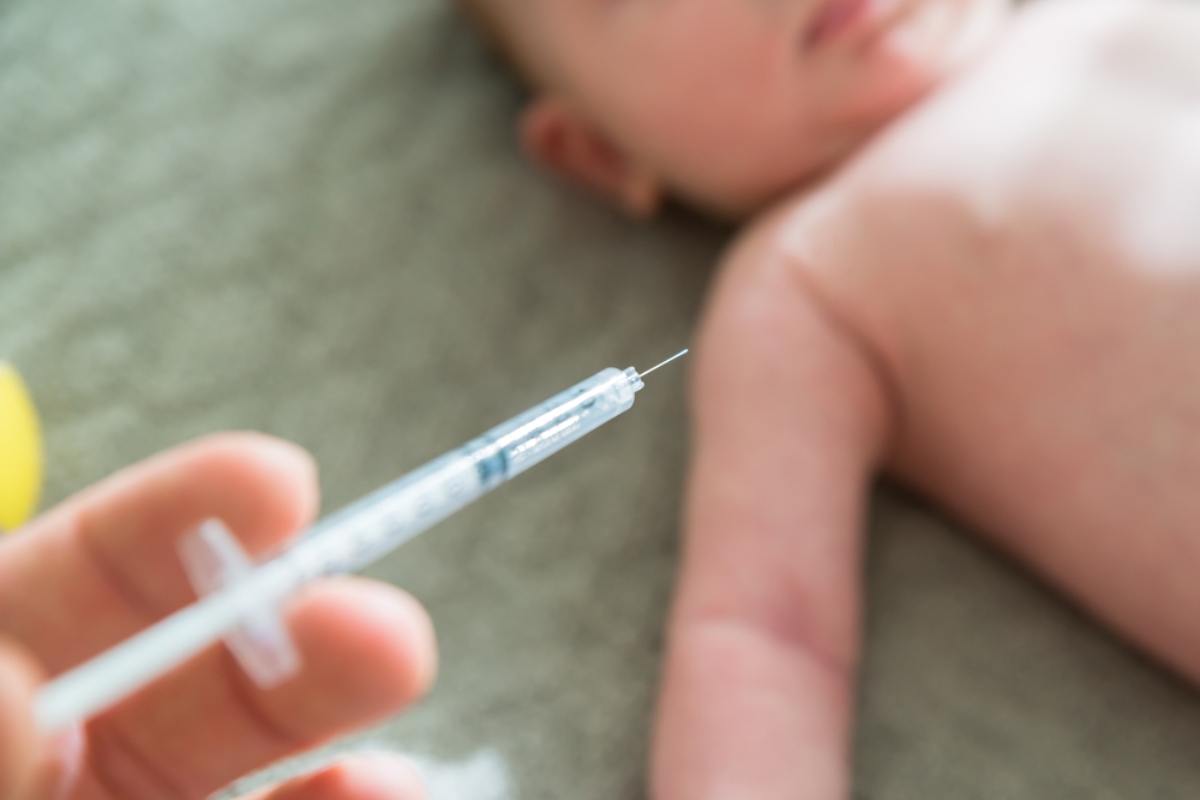
Vitamin K is administered at birth to prevent severe bleeding, as newborns have low levels of this essential substance.
A recent study analyzing more than 5 million births found that refusal of this injection nearly doubled between 2017 and 2024.
Preventive care at birth and compelling data
Before the injection became routine, up to 1 in 60 babies experienced bleeding related to vitamin K deficiency.
Current research shows that newborns who do not receive the injection are 81 times more likely to develop severe bleeding.
Erythromycin eye ointment protects against infections such as gonorrhea acquired during birth.
The hepatitis B vaccine prevents severe complications such as liver failure or liver cancer.
Misinformation and the “natural” philosophy
Specialists agree that the refusal is linked to the belief that “natural” is always better.
“Some will simply say they prefer a more natural birth philosophy,” explained Dr. Steven Abelowitz.
He also warned: “There is a lot of misinformation… There are external influences—friends, celebrities, non-professionals, and political agendas.”
For Dr. David Hill, this misconception connects the anti-vaccine movement with opposition to other preventive care measures, reinforcing the rise of newborn medical care refusal.
A debate that goes beyond the delivery room
The discussion intensified when a federal advisory committee voted to end the recommendation to immunize all newborns against hepatitis B at birth.
A federal judge temporarily blocked those decisions, adding another chapter to the debate.
Meanwhile, pediatricians like Dr. Susan Sirota emphasize that no prenatal test is foolproof and that a mother can become infected after being tested.
The increase in refusal of basic care raises important questions about the balance between parental autonomy and the protection of infant health, as the issue of newborn medical care refusal continues to grow according to The Independent.