Will Michigan Avoid Another Extreme Winter? Here’s What’s Expected for 2026-27







Posted on 08/10/26 at 15:15
- Extreme winter in Michigan?
- El Niño could change conditions
- Cold-weather risks remain
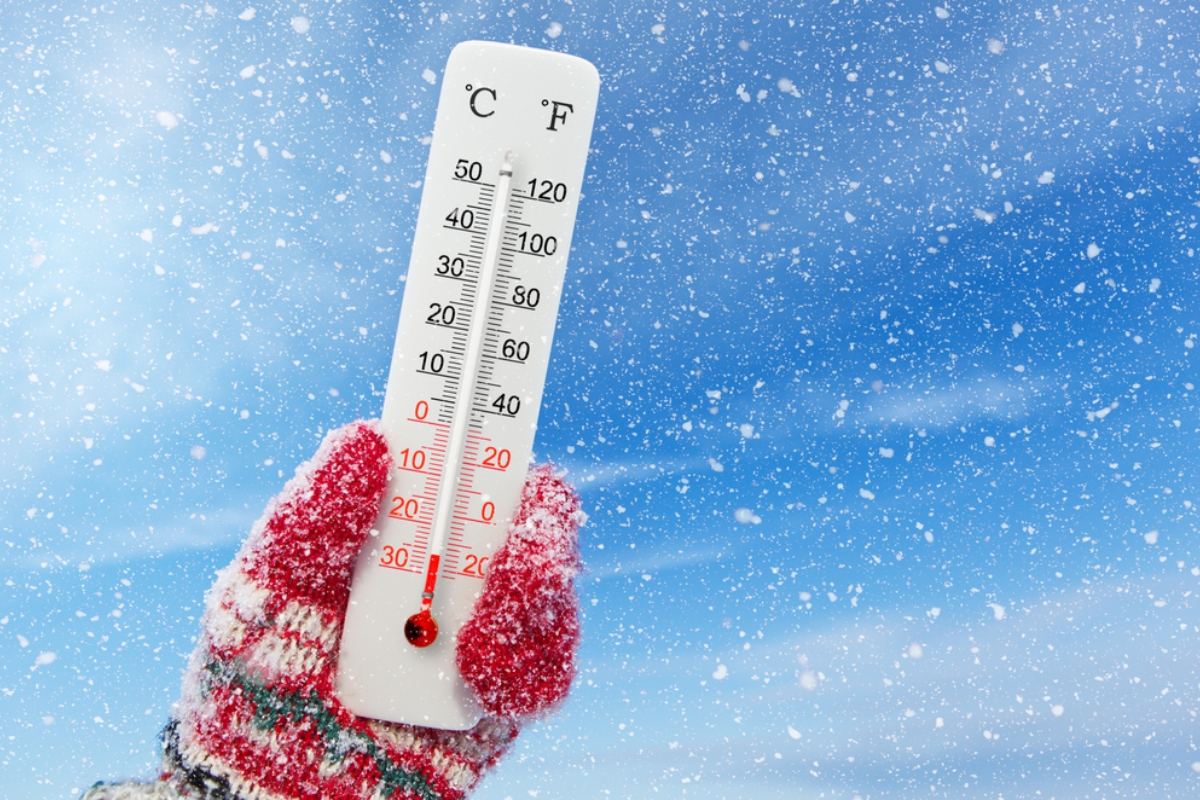
Michigan could face a very different winter from the one it experienced last year, with warmer temperatures and drier conditions expected during the 2026-27 season.
The Old Farmer’s Almanac updated its forecast on July 30 and indicates that different atmospheric and oceanic phenomena could influence the Michigan winter 2026-27.
Among the factors being considered are El Niño, solar activity, Atlantic and Pacific Ocean patterns, and the behavior of the polar vortex.
“Those early signals include changes in ocean temperatures and variations in the winds that blow high above Earth,” the publication explained.
El Niño Could Change the Michigan Winter 2026-27

According to the forecast, El Niño could be one of the main factors behind a potentially warmer and drier-than-usual winter in Michigan.
Warming in certain parts of the Pacific can alter the path of the jet stream and, in turn, change where cold temperatures, rain, and snow are concentrated.
YOU MAY ALSO BE INTERESTED IN: 7.4-Magnitude Colombia Earthquake Strikes: Damage and Injuries Reported
“El Niño can significantly affect our climate,” the National Oceanic and Atmospheric Administration (NOAA) said while explaining its effects on North America.
According to NOAA, the phenomenon can bring “drier and warmer-than-usual” conditions to some areas of the northern United States and Canada.
The Michigan Forecast Contrasts With Last Winter
If these initial projections hold, Michigan could experience conditions considerably different from those seen during the 2025-26 winter season.
That winter was considered “extreme” in numerous areas of the state by the Midwest Regional Climate Center, increasing interest in the new forecast.
The Old Farmer’s Almanac uses a combination of different signals to anticipate conditions, although several months remain before it becomes clear how these factors will develop.
“Think of the Pacific Ocean as one of Earth’s most powerful weather engines,” the Almanac said while explaining the importance of ocean temperatures.
Solar Activity Is Also a Factor
Another element considered when preparing forecasts is the solar cycle, as elevated solar activity has been associated with warmer temperatures during certain seasons.
The Sun is currently going through Solar Cycle 25, which reached its maximum in 2024, although sunspot activity remains relatively high.
These cycles last approximately 11 years and alternate between periods of higher and lower activity, making them one of the signals considered when developing forecasts.
According to the cited information, Solar Cycle 26 is expected to begin sometime between January 2029 and December 2032.
The Polar Vortex Could Still Bring Cold Weather
Ocean patterns are also monitored to estimate how much moisture could fuel storms and which regions are most likely to receive them.
“Taken together, these ocean patterns can influence the amount of moisture that reaches winter storms,” The Old Farmer’s Almanac explained.
The polar vortex is another important factor. If its circulation weakens or changes, extremely cold Arctic air can move into parts of the United States.
“When this happens, colder Arctic air can move farther south,” the Almanac explained, meaning Michigan could still experience occasional periods of intense cold during the Michigan winter 2026-27, according to the Free Press.