Republican Senators Close Ranks Around John Thune After Trump Attacks







Posted on 08/12/26 at 09:07
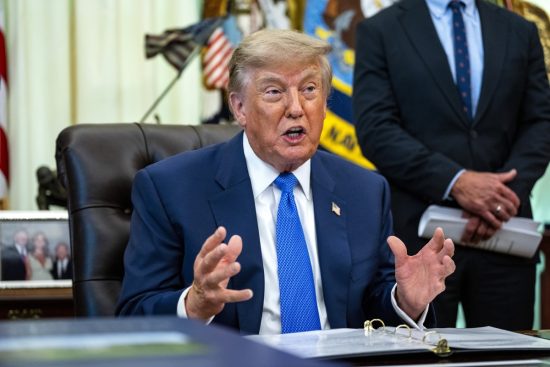
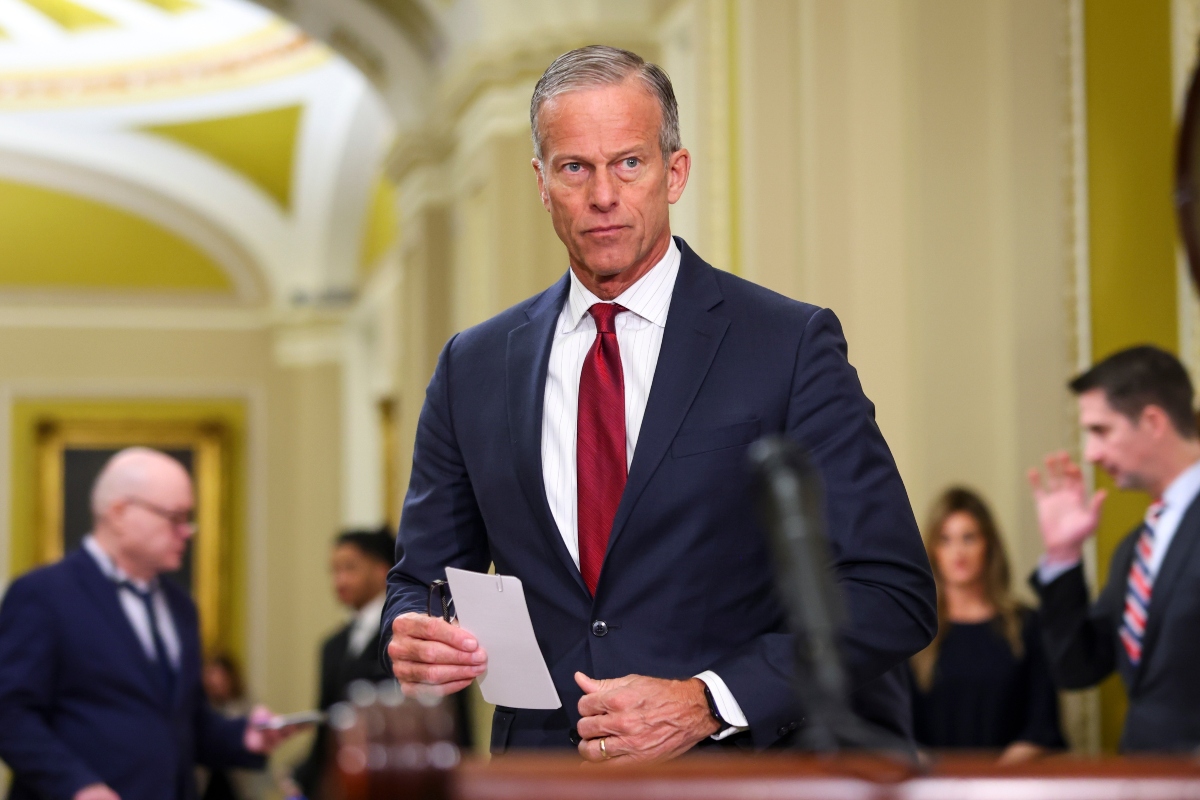
Republican senators are closing ranks around John Thune after President Donald Trump refused to endorse him for continued leadership after the midterm elections.
Why it matters: The dispute shows a limit to Trump’s power within the Republican Party, as several senators consider choosing their leader to be a decision that belongs exclusively to them.
Republicans Back John Thune Against Trump
GOP senators rally behind Thune in response to Trump jabs at leaderhttps://t.co/2j4JkYJnW8
— The Hill (@thehill) August 11, 2026
According to a report by The Hill, several Republican senators expressed their support for Thune despite Trump’s criticism of his advancement of the legislative agenda.
Senator Jerry Moran of Kansas stated that there is «a lot of respect» for Thune and for the way he has handled a complicated job.
Moran also made it clear that Republicans can accompany the president on numerous issues, but they don’t necessarily have to let him decide who leads their caucus.
YOU MAY BE INTERESTED: Trump could face a wave of investigations if Democrats win the House
The position: «There’s a real sense that this belongs to us,» Moran said about the election of the Republican leader in the Senate.
Even Rick Scott, senator from Florida and supporter of the SAVE America Act, acknowledged the difficulties Thune is facing.
Scott explained that any president can feel frustrated when their priorities clash with the usual requirement of 60 votes to pass legislation in the Senate.
Filibuster Puts Trump and Thune at Odds
🚨 TREASON ALERT 🚨
John Thune just exposed himself.
In this interview he admits recess appointments are “an option”… then immediately starts listing every excuse why they probably won’t happen.
“Needs all Republicans.”
“Needs the House.”
“Same senators who hate the nominees… pic.twitter.com/5IH4OEVLUJ— CONSTITUTION X 🇺🇸 (@ConstitustionX) August 11, 2026
One of the main points of conflict is Thune’s refusal to eliminate the filibuster, a mechanism that allows the minority to block many projects if the majority does not obtain 60 votes.
Trump wants to overcome this obstacle to push priorities like the SAVE America Act, but Thune maintains that the necessary votes do not exist.
The dispute: Thune considers it «difficult, if not impossible» to approve some of the president’s demands under the current Senate rules.
Senator John Kennedy of Louisiana said he is not aware of any organized movement to replace Thune and noted that the two leaders simply disagree on important issues.
Thune, for his part, stated that he almost «expected» Trump to avoid endorsing him for another term.
Tension Grows Ahead of November Elections
The fight is happening while some Republicans are showing concern about the electoral scenario and are seeking to draw differences with the White House on certain issues.
The Hill reported that Republican senators have also rejected or questioned proposals driven by Trump, from spending promoted by his administration to decisions related to government funding.
The context: Some lawmakers consider that the cost of living could weigh more among voters than internal disputes over Senate leadership.
Kennedy stated that voters are upset and said that their main concern is precisely the cost of living.
Trump, on the other hand, recently assured that Republicans are upset with their representatives in Congress and not with him.
Trump Increases Pressure, but Thune Maintains Support
Trump’s refusal to say whether Thune continues to be «the right man for the job» raised doubts about the relationship between the two.
White House press secretary Karoline Leavitt also stated that the president’s «patience» with Thune is running out.
What’s next: A Thune ally cited by The Hill considers that the attacks aim to pressure him to approve more presidential priorities and that the situation could change after November.
For now, the senators who have spoken publicly do not show signs of wanting to oust Thune.
The real test will come after the elections, when Republicans redefine their leadership and learn the balance of power in Congress.