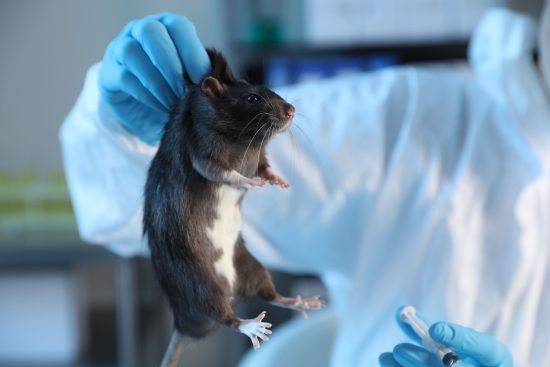
Global Alert! Scientists Accelerate Hantavirus Vaccine Development After Deadly Cruise Ship Outbreak







Posted on 05/08/26 at 21:44
- Scientists seek hantavirus vaccine
- Deadly outbreak sparks alarm
- Virus still has no cure
The recent hantavirus outbreak reported aboard a cruise ship traveling from Argentina to Antarctica has once again placed scientists and international health authorities under pressure.
While experts investigate how the outbreak occurred and left at least three people dead, laboratories and research centers are working against the clock toward a goal that has remained elusive for decades: developing an effective vaccine against this highly lethal disease.
Although hantavirus remains rare, its ability to cause severe respiratory failure and kill up to 40% of infected patients has turned vaccine development into a major scientific priority.
The race for a hantavirus vaccine is already underway
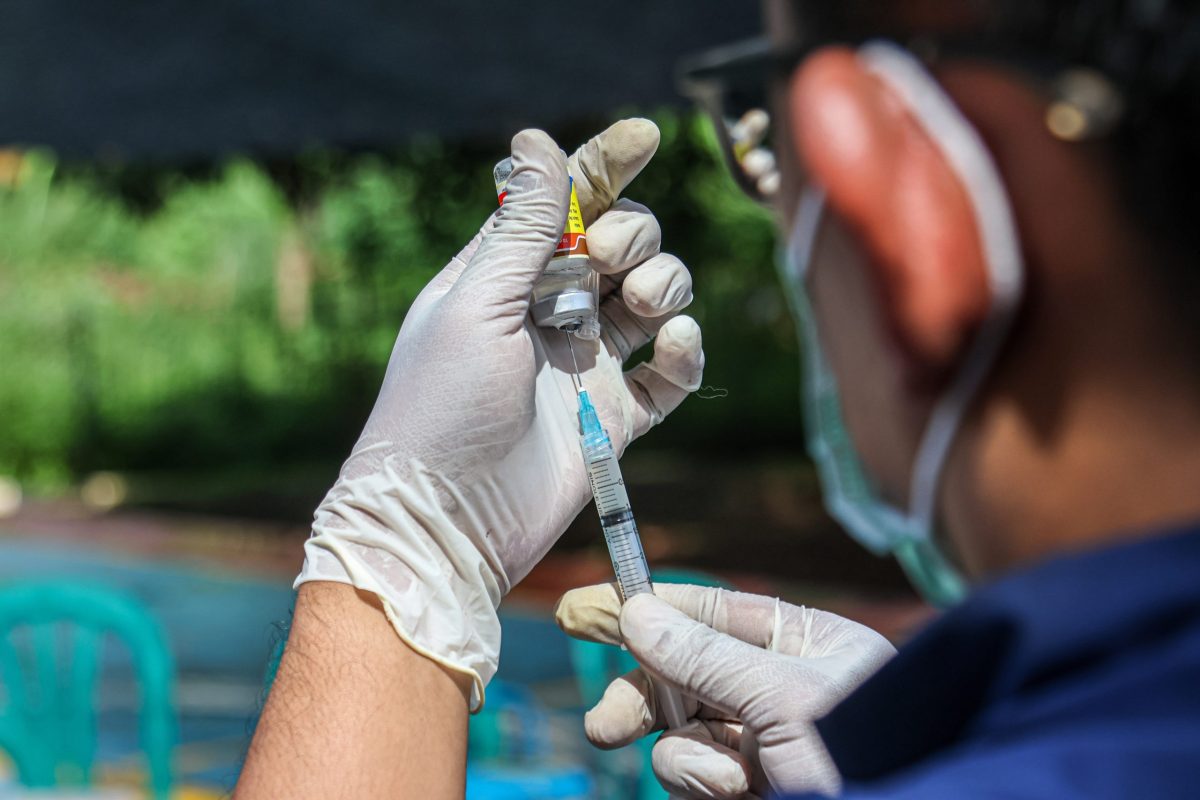
One of the most advanced projects is currently being led by researchers at VIDO, a center specializing in infectious diseases that is developing several experimental vaccines targeting so-called “New World” hantaviruses.
These viruses are responsible for Hantavirus Cardiopulmonary Syndrome (HCPS), a serious illness that primarily affects North and South America.
Scientists are currently working on three different approaches:
- An mRNA-based vaccine
- A protein subunit vaccine
- A vector vaccine using the Newcastle disease virus
The goal is to identify a formula capable of generating strong immunity in the respiratory tract, the virus’s primary entry point into the human body.
Intranasal vaccines could become the key breakthrough
One of the most innovative aspects of the research is that the vaccines are being designed for intranasal administration.
This means that instead of relying solely on traditional injections, some vaccines could be delivered as nasal sprays to strengthen defenses directly inside the respiratory system.
Researchers believe this strategy could provide a faster and more effective immune response against hantavirus, especially because the disease primarily attacks the lungs.
Hantavirus remains one of the most dangerous rodent-borne viruses
Hantavirus is mainly transmitted through contaminated particles originating from the urine, saliva, or droppings of infected rodents.
People are often exposed during everyday activities such as:
- Cleaning closed storage areas
- Sweeping garages
- Opening abandoned cabins
- Handling old boxes
- Camping or hiking
When contaminated particles become airborne, they can be inhaled easily.
In the United States, the best-known strain is the Sin Nombre virus, while in South America, concern centers on the Andes virus, a strain associated in rare cases with human-to-human transmission.
The recent cruise ship outbreak increased concern
The World Health Organization confirmed that several passengers aboard the cruise ship developed hantavirus pulmonary syndrome after traveling through the South Atlantic.
The case triggered particular concern because experts are investigating whether human-to-human transmission may have occurred — something extremely rare but possible with the Andes virus strain.
So far, health authorities continue studying whether passengers had contact with rodents during the voyage or before boarding the vessel.
Symptoms can progress rapidly
Hantavirus often begins with symptoms similar to those of the common flu:
- Fever
- Chills
- Muscle pain
- Fatigue
- Severe leg and back pain
However, within days some patients develop severe respiratory failure due to fluid buildup in the lungs.
The speed of deterioration is one of the reasons scientists consider preventive vaccines urgently necessary.
There is still no approved Hantavirus vaccine

Despite decades of research, there is still no approved vaccine for hantavirus prevention in most countries.
However, experts believe recent advances in mRNA technology — widely used during the COVID-19 pandemic — could accelerate the development of new tools against this disease.
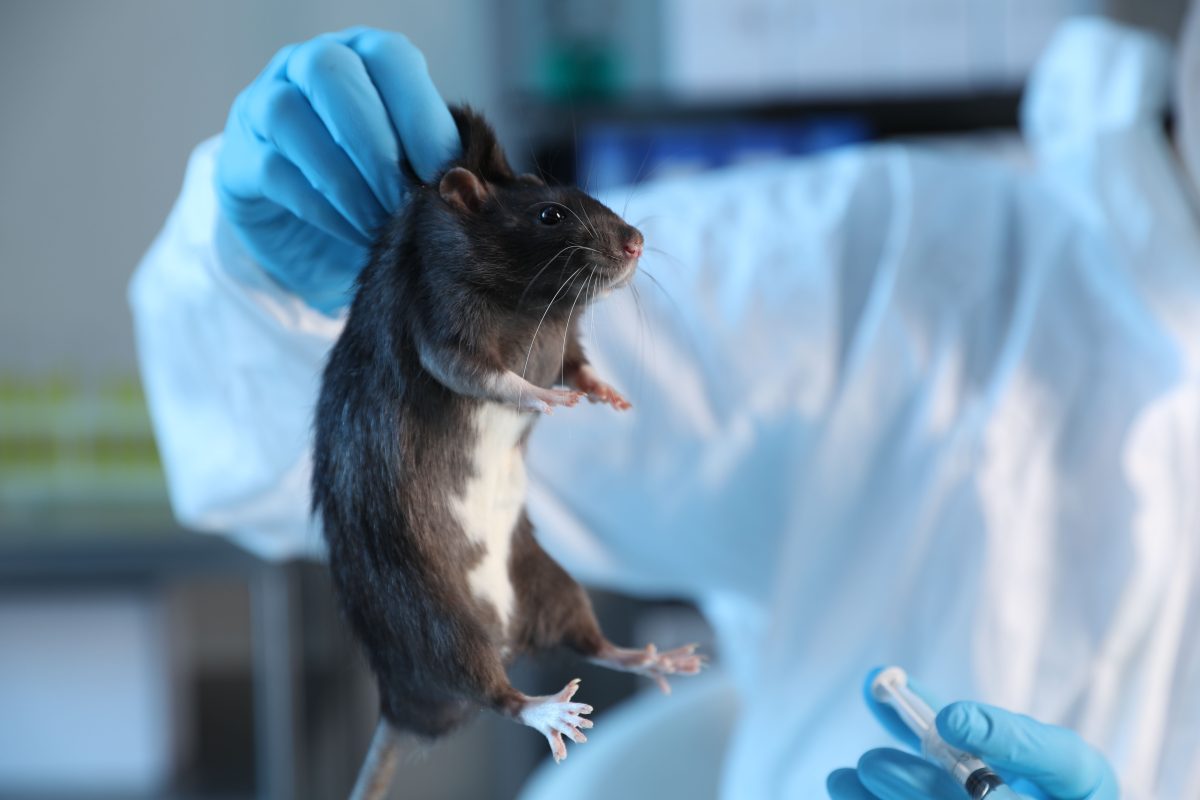
In addition to VIDO’s experimental vaccines, researchers are also using animal models such as Syrian hamsters and primates to study how the immune system responds to the virus.
Prevention remains the main defense against Hantavirus
While vaccines remain under development, health authorities recommend taking precautions to reduce the risk of infection:
- Ventilate enclosed spaces before cleaning
- Wear masks and gloves
- Avoid sweeping dry rodent droppings
- Seal holes and entry points in homes
- Keep food properly protected
Experts emphasize that although hantavirus is rare, it remains an extremely aggressive and potentially fatal disease.
While hantavirus continues to be uncommon, its high mortality rate keeps the international scientific community on alert.
As experts investigate the recent outbreak linked to a cruise ship in the South Atlantic, the development of new vaccines represents one of the greatest hopes for preventing future infections and reducing the impact of a virus that still has no cure or specific treatment.
You May Also Be Interested In: Canada Places People Linked to Hantavirus-Affected Cruise Ship in Isolation
SOURCE: Vaccine and Infectious Disease Organization (VIDO) / ScienceDirect / UCHealth.