End of DHS Shutdown: Trump Signs Law After Internal Party Pressure







Posted on 05/01/26 at 13:23
- Trump Signs DHS Law and Marks the End of the Shutdown
- End to Historic Shutdown
- Congress Yields After Pressure
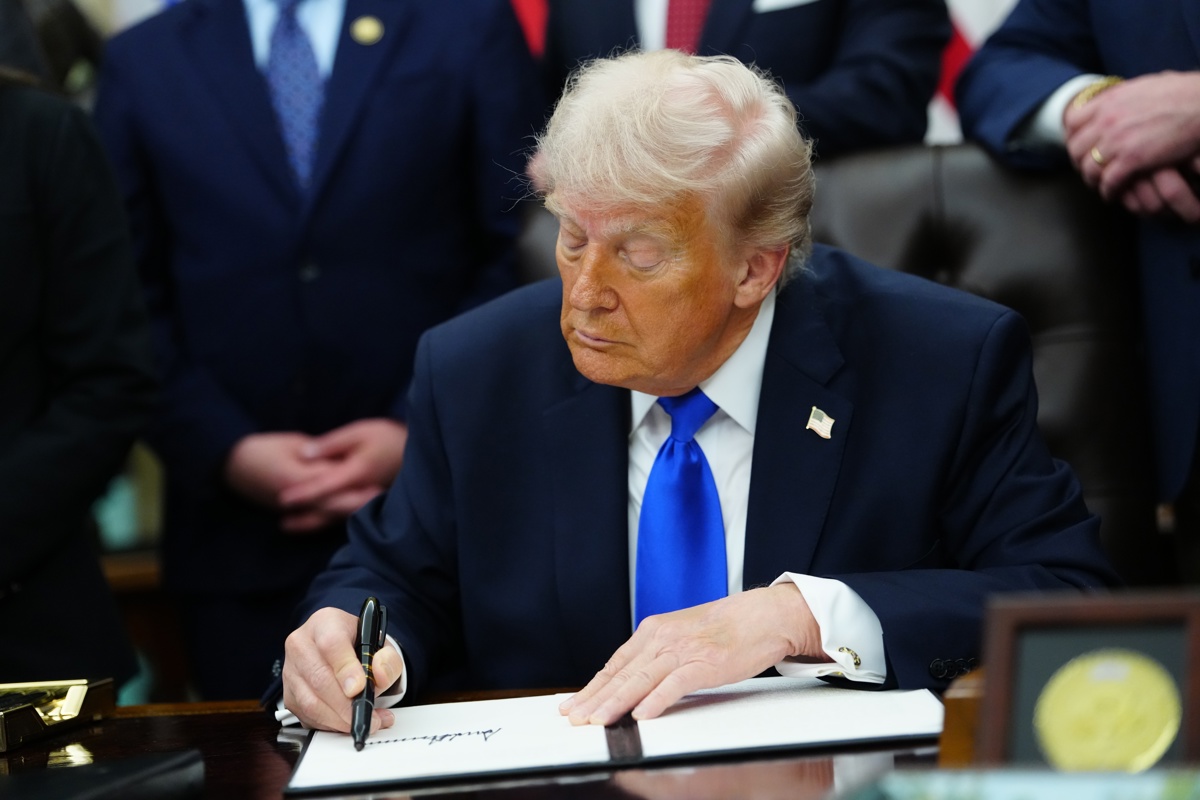
The President of the United States, Donald Trump, signed a key law this Thursday to fund parts of the Department of Homeland Security (DHS) after weeks of political deadlock.
The measure aims to restore essential functions of the department following a prolonged shutdown that affected critical services nationwide.
- Why it matters: The 75-day shutdown caused visible disruptions, especially at airports, and put federal employee pay at risk.
Trump Signs Law to Fund DHS
The president Donald Trump signed the bill that generally funds the Department of Homeland Security (DHS), but leaves out ICE and CBP.
This signature by the president ends the 76-day shutdown without funding for the U.S. security agency… pic.twitter.com/SeUZIVZ8fu
— NMás (@nmas) April 30, 2026
The White House confirmed the signing of the legislation on Thursday, April 30, 2026, according to CNN.
The official statement detailed the scope of the approved measure.
“On Thursday, April 30, 2026, the president signed H.R. 7147 into law,” the document stated.
The law is titled the “Additional Continuing Appropriations for Homeland Security Act of 2026.”
You may also like: Fed Holds Interest Rates as Powell Exits Under Pressure from Trump
The legislation establishes new consolidated budget allocations.
These cover the fiscal year ending September 30, 2026.
It also includes provisions related to the department’s operations.
The presidential signature came hours after congressional approval.
Congress Breaks Deadlock After Weeks of Conflict
The House of Representatives ends the DHS shutdown; Trump will sign a package that does not include ICE https://t.co/1YxbsoUYbX pic.twitter.com/8dq5qhEkp9
— FRANCE 24 Español (@France24_es) April 30, 2026
Congress voted the same day to reopen key parts of DHS.
Among them is the Transportation Security Administration (TSA).
The agency had been affected for weeks due to lack of funding.
The shutdown lasted due to internal disputes within the Republican Party.
These disagreements delayed an agreement on funding the department.
The bill, which had stalled for 75 days, finally moved forward.
House Republican leaders conceded after weeks of tension.
This represented a setback for House Speaker Mike Johnson.
The internal conflict included pressure from centrist lawmakers within the party.
The House approved the package through a voice vote.
No recorded vote was conducted.
The bill does not include funding for federal immigration enforcement.
This point was considered a significant victory for Democrats.
End of a Historic DHS Shutdown With Nationwide Impact
The measure brings an end to what is considered a historic shutdown.
During this period, long lines were reported at airports.
The lack of staff and resources affected daily operations.
The shutdown also threatened to interrupt pay for DHS employees.
The Trump administration had warned about the depletion of emergency funds.
These funds were being used to continue paying affected staff.
The decision comes just before salaries were again at risk.
The legislative process was marked by constant political tension.
Some Republicans opposed making concessions during negotiations.
“I think it’s absurd that we are funding the government this way,” said Chip Roy shortly before the final vote.
Despite criticism, Republican leadership defended the agreement.
They argued that progress had already been made in unlocking funding for immigration enforcement.
That prior step helped facilitate approval of the remaining DHS funding.
The final agreement closed a chapter of political and operational uncertainty.
With Trump’s signature, the DHS shutdown ends, and the department resumes key functions.