BREAKING: Tropical Storm Amanda Forms, the First of the 2026 Hurricane Season








Posted on 06/04/26 at 16:35
- Tropical Storm Amanda Forms
- Possible Hurricane Near Mexico
- El Niño Fuels Activity
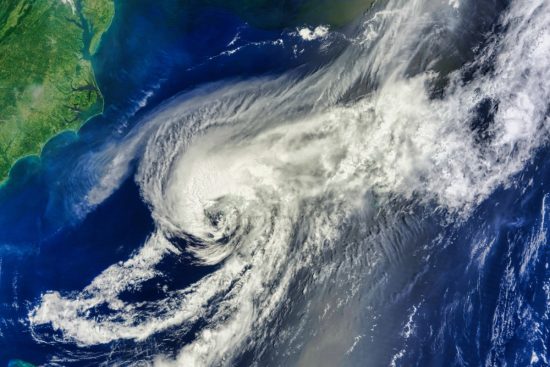
Tropical Storm Amanda formed in the eastern Pacific, becoming the first named system of the 2026 season in this basin, less than 2,400 kilometers from the American continent.
The system is located roughly halfway between Mexico and Hawaii and, for now, does not pose a direct threat to populated areas or to the islands of the central Pacific.
However, experts warn that it could strengthen in the coming hours, although its lifespan may be limited because it is moving toward colder waters.
“Amanda is likely to survive only two or three days as it moves northwest into colder waters,” explained Alex DaSilva, AccuWeather’s lead hurricane expert.
Another Threat Gains Strength Near Mexico
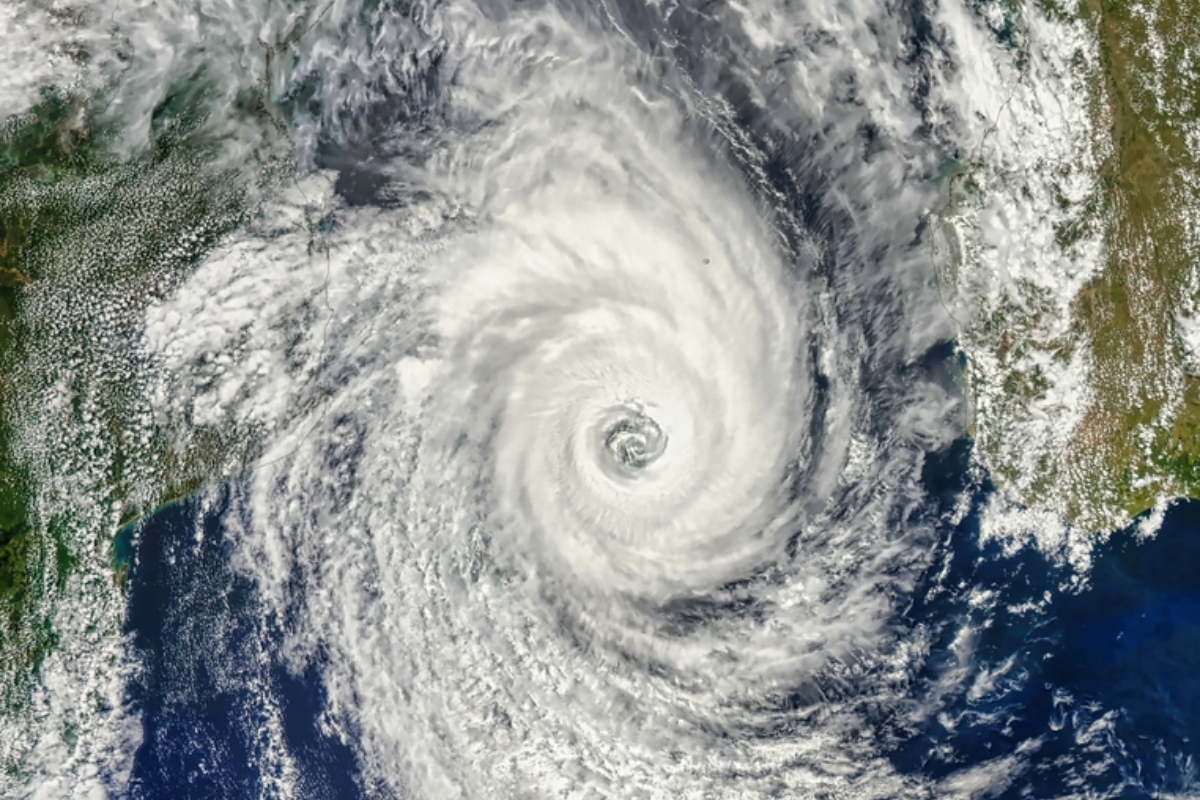
While Amanda evolves over open water, a second area of tropical interest is beginning to organize off the coasts of Central America and southwestern Mexico, generating greater concern among meteorologists.
According to DaSilva, this system has a higher chance of intensifying than Amanda and could even reach major hurricane status if it remains over warm waters long enough.
YOU MAY BE INTERESTED IN: Series of Earthquakes Shake the U.S. West Coast: Magnitude 5.7 in Oregon and 4.6 in Hawaii
“There is a chance that Amanda could strengthen into the first hurricane of the season, but the system developing near Central America and southwestern Mexico has a greater likelihood of becoming a hurricane,” he said.
The specialist added that two storms could form almost at the same time in that region, although “generally, one dominates the other and causes the weaker one to dissipate.”
Favorable Conditions for Rapid Intensification
Sea surface temperatures in the area of interest are above 80 degrees Fahrenheit, the minimum threshold needed for tropical cyclones to develop and strengthen.
“Sea surface temperatures in the area of interest are above 80 degrees Fahrenheit,” DaSilva explained, stressing that this factor, along with relatively low wind shear, could favor rapid intensification.
If it consolidates, the system could evolve from a tropical storm into a hurricane in a short period of time, increasing the risk for Mexico’s southwestern coast.
The potential impacts include strong winds, storm surge, flash flooding, and landslides, depending on the final track.
Active Hurricane Season Fueled by El Niño in 2026
AccuWeather anticipates a very active season in the eastern Pacific, with a significant number of storms and hurricanes before the official end on November 30.
“We expect between 17 and 22 named storms, including between nine and thirteen hurricanes, in the eastern Pacific this season,” DaSilva said, adding that at least six could directly impact western Mexico or Central America.
Multiple storms are also expected in the central Pacific, with the possibility that one or two could affect Hawaii during the year.
One of the determining factors is the development of El Niño, a phenomenon that could intensify notably and create favorable conditions for a particularly intense cyclone season, AccuWeather detailed.