More Than 4 Million People Lost SNAP Food Stamp Benefits: What Are the New Requirements?







Posted on 05/11/26 at 13:38
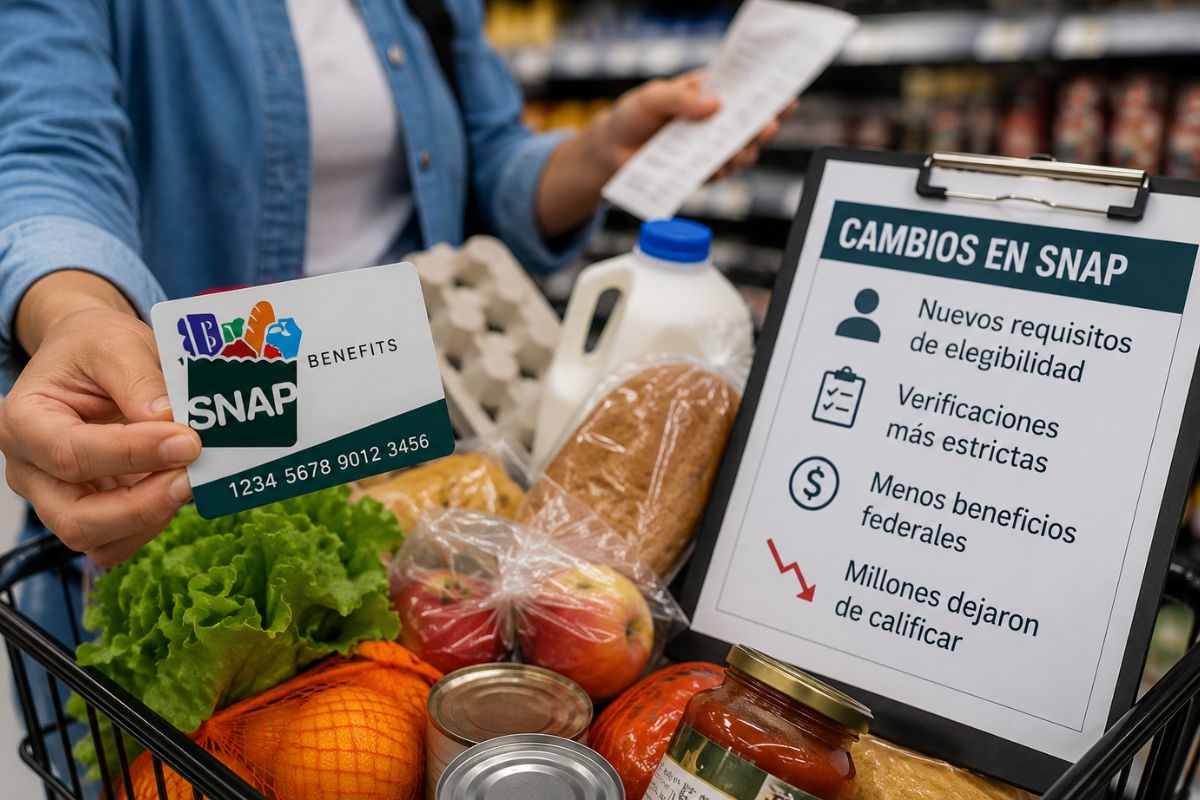
More than 4 million Americans stopped receiving benefits from the Supplemental Nutrition Assistance Program (SNAP), commonly known as food stamps, since changes introduced by the Trump administration began taking effect.
- Why it matters: The stricter requirements arrive at a time when millions of families are facing food inflation, rising grocery prices, and increasing difficulty covering basic expenses.
New requirements reduce SNAP beneficiaries
According to data cited by Fox Live, approximately 4.3 million people lost SNAP benefits between January 2025 and January 2026.
The Trump administration attributes the decline to a “stronger” economy and anti-fraud measures. However, organizations studying food insecurity argue that the real reason is that the program has become significantly harder to access.
The changes emerged following approval of the “One Big Beautiful Bill Act,” a 940-page law that introduced major modifications to eligibility and program funding.
Experts estimate that the legislation will reduce nearly 20% of federal SNAP spending over the next decade.
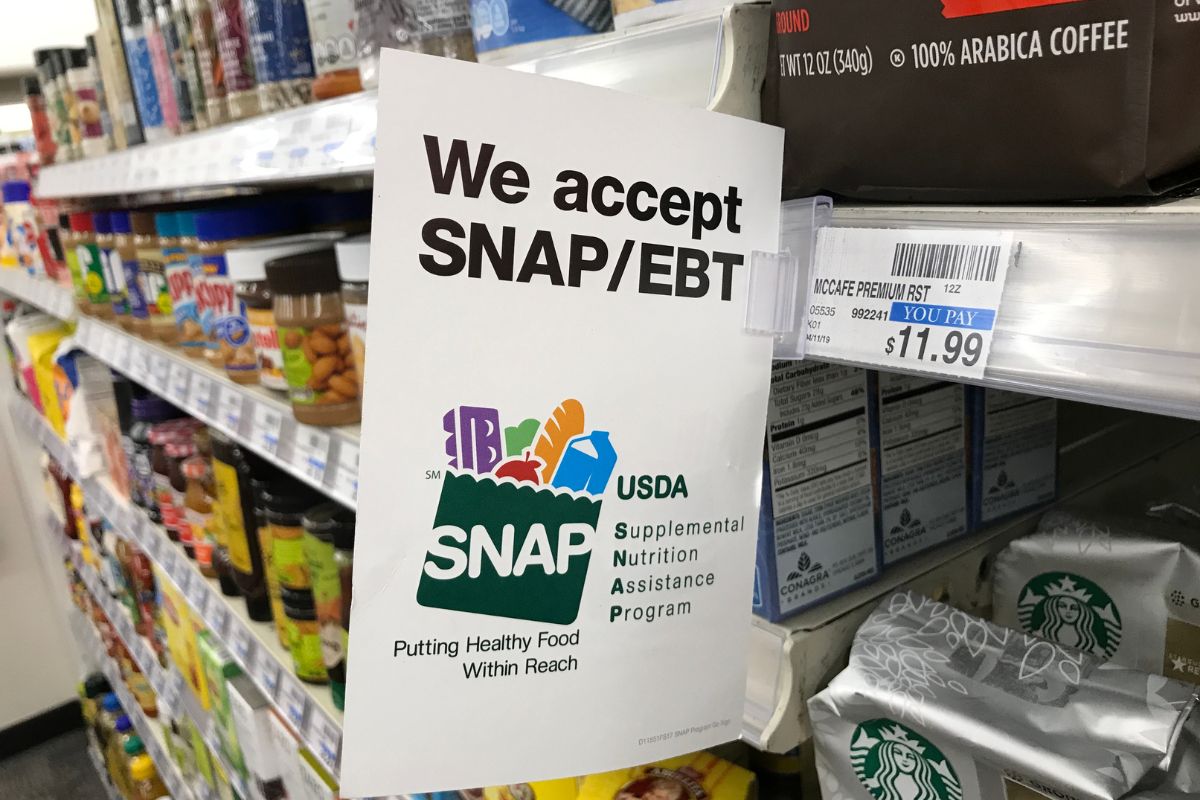
Among the most significant changes are:
- Stricter work requirements
- New eligibility verification procedures
- Increased administrative oversight
- Restrictions affecting certain immigrants with legal status
Organizations such as the Center on Budget and Policy Priorities argue that these measures could increase poverty and hunger among vulnerable households.
States will face higher costs and greater administrative pressure
One of the aspects most concerning to experts and state officials is the new funding structure included in the law.
Beginning in 2027, most states will be required to cover between 5% and 15% of the total cost of SNAP benefits.
The percentage will depend directly on payment or administrative error rates currently recorded in each state.
Analysts warn that this financial pressure could push some states to further tighten approval processes in order to reduce expenses quickly.
The Center on Budget and Policy Priorities stated that states could end up delaying or denying benefits even to eligible individuals in order to avoid penalties or higher budget costs.

Illinois faces controversy over SNAP benefit losses
Illinois recently became one of the most visible examples in the political debate surrounding the program.
According to The Center Square, around 150,000 state residents lost SNAP benefits.
During a hearing of the state Senate Revenue Committee, Democratic and Republican lawmakers debated the reasons behind the reduction.
Democratic Senator Lakesia Collins blamed the losses on federal cuts approved by Republicans.
However, Republican Senator Don DeWitte argued that many individuals no longer met the requirements and also blamed state administrative errors.
DeWitte stated that Illinois could face costs approaching $700 million because of high payment error rates.
The debate reflects how the new SNAP rules are generating tensions at both the federal and state levels while millions of families rely on the program for food assistance.

Rising food prices continue impacting Hispanic families in the U.S.
The tightening of SNAP rules also coincides with sharp increases in food prices.
Data analyzed by the Federal Reserve Bank of St. Louis using figures from the Bureau of Labor Statistics show that:
- Food prices increased 25.5% between 2020 and 2024
- Coffee prices rose nearly 20% in one year
- Meat and dairy prices remain at historically high levels
In response, many families are seeking alternatives to lower grocery costs.
An analysis by Consumer Reports found that some retail chains offer significantly lower prices than Walmart.
The largest savings identified were:
- Costco: 21.4% lower
- BJ’s Wholesale Club: 21% lower
- Lidl: 8.5% lower
- Aldi: 8.3% lower
The report also noted that most Americans shop at least two different grocery stores each week to reduce costs.
You May Also Be Interested In: Retirees receive Social Security benefits this Wednesday, May 13.
What comes next
As debates continue over the future of SNAP, experts warn that millions of families could continue losing access to benefits in the coming years.
States will also face additional pressure to control administrative errors and reduce costs under the new federal rules.
Meanwhile, food inflation continues directly impacting the budgets of low-income households that depend on federal assistance to meet basic needs.