How do I register to vote?







Posted on 01/31/24 at 10:35
- Learn how to register to vote.
- It’s a simple process.
- Make your voice heard.
Voting in the United States is both a fundamental right and a significant responsibility.
It’s your way of shaping the nation’s future and making your voice heard. But sometimes, the process can seem complex and overwhelming.
From registering to vote, understanding candidates and ballots, to casting your vote, we’ll walk you through it all.
This guide aims to make voting accessible and straightforward, ensuring that your voice counts in the upcoming elections.
How to register to vote

The first and most crucial step in participating in the democratic process is registering to vote.
Thankfully, many states offer online registration, so you can do it anytime.
Keep in mind that it’s important to register well ahead of any upcoming elections.
Additionally, you should regularly check your registration status because many states purge voter rolls periodically and you may be accidentally removed.
Request an absentee ballot

In cases where in-person voting poses a challenge, whether due to distance, physical disabilities or other issues, you can request an absentee ballot.
This ensures that your voice is heard in the electoral chorus. However, requesting this lifeline is not a matter of casual convenience — it’s a step that demands planning.
It’s very important to return your ballot as early as possible to avoid missing any deadlines. This is especially vital if you are mailing it in.
This ensures that it will be counted in the final election results.
Research the candidates

Before marking your choices on the ballot, it’s essential to understand each candidate’s stance on issues.
This involves looking into their personal and political histories to develop a comprehensive understanding of their qualifications, values and policy stances.
The choices you make during the election have consequences, and it’s your duty as a voter to ensure the candidate you choose will enact policies that align with your values and priorities.
One place to find information about candidates across the country is Balletopedia.
After you register to vote, find your polling place

For those who prefer the tradition of in-person voting, it’s important to find out where your polling place is located.
This information, often found on your voter registration card or accessible through your state’s official election website, acts as your compass on Election Day.
Knowing where to go ensures a hassle-free experience, allowing you to exercise your right to vote with minimal inconvenience.
Be sure you have a plan to vote and if you need transportation, many organizations offer free rides.
Review the ballot

As the election date approaches, it’s helpful to review a sample ballot ahead of time.
This will allow you to figure out who you want to vote for and understand any other issues you may be voting on.
It helps you become familiar with the candidates and any proposed measures or amendments.
This way you can cast your vote with confidence.
Bring proper identification to the polls

Be sure you have the right kind of identification when you head to the polls.
This can vary from state to state.
Common forms of identification include a driver’s license or passport, and it’s essential to have these documents with you for in-person voting.
If you do forget your ID on voting day, you may be able to fill out a provisional ballot.
Follow voting procedures
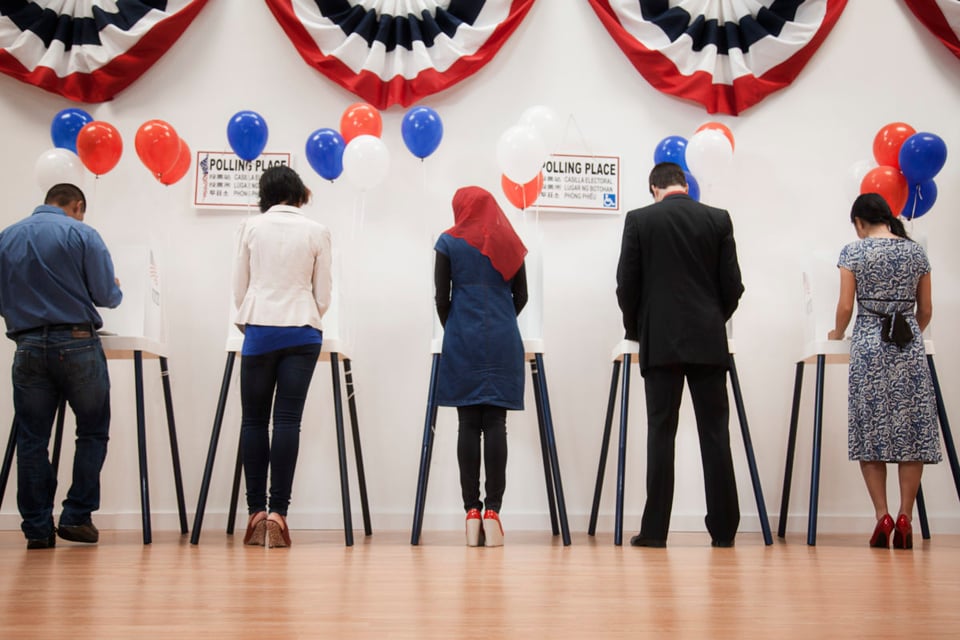
Once inside the polling station, it’s essential to adhere scrupulously to the prescribed voting procedures.
Whether you are interacting with a voting machine or marking a paper ballot, strict compliance with the instructions is critical.
Should you encounter any questions or uncertainties along the way, don’t hesitate to ask for help from the poll workers.
After you’ve made your selections, it’s crucial to engage in a final review of your choices before officially submitting your ballot.