Everything You Need to Know About Cataracts and How They Affect Your Vision!







Posted on 01/14/26 at 15:34
- Cataracts Signs: Progressive Cloudy Vision
- Lens Opacity
- Surgery Restores Vision
Cataracts are a common eye condition that develops gradually and, in many cases, goes unnoticed in its early stages.
However, over time they can significantly affect vision and quality of life.
Understanding how cataracts form, what symptoms they cause, and when to seek medical attention is key to protecting eye health.
Cataracts affect vision gradually and can be treated in time

What Exactly Are Cataracts?
Cataracts occur when the eye’s natural lens, which is normally transparent, becomes cloudy.
This lens works like a camera lens, focusing light onto the retina to allow clear vision.
When it becomes cloudy, light cannot pass through properly and images reach the retina distorted.
This can cause:
- Blurry or cloudy vision
- A sensation of looking through fog
- Difficulty focusing on details
As the cloudiness increases, everyday activities become more difficult.
How Do Cataracts Form?
The lens is made primarily of water and proteins.
Under normal conditions, these proteins are arranged precisely to maintain lens transparency.
Over time, especially after age 40, the proteins begin to break down and clump together, creating cloudy areas.
This process is slow and progressive.
At first, there may be no obvious cataracts symptoms, but over time:
- Light reaches the retina with more difficulty
- Vision becomes dimmer
- Colors may appear faded or yellowish
Causes and Risk Factors
Although aging is the most common cause, other factors increase the likelihood of developing cataracts.
The main ones include:
- Natural aging
- Family history
- Diabetes
- Previous eye injuries or surgeries
- Long-term steroid use
- Radiation therapy
- Prolonged sun exposure without protection
- Smoking
- Excessive alcohol consumption
Knowing these factors helps with prevention, such as protecting the eyes from sunlight and having regular eye exams.
Most Common Symptoms

Cataracts do not appear suddenly.
Their symptoms usually progress slowly and not all appear at the same time.
The most frequent cataracts signs include:
- Blurry or cloudy vision
- Increased sensitivity to light
- Difficulty seeing at night
- Halos around lights
- Faded colors
- Frequent changes in eyeglass prescription
Detecting them early can make a major difference in treatment.
How Cataracts Affect Daily Life
As cataracts progress, they can seriously impact daily routines.
Many people experience:
- Loss of independence
- Higher risk of accidents
- Difficulty driving or reading
- Emotional distress due to vision loss
These limitations affect both safety and overall well-being.
Diagnosis: What to Expect at an Eye Exam
To diagnose cataracts, an eye doctor performs a comprehensive eye exam, which may include:
- Visual acuity tests
- Slit-lamp examination
- Pupil dilation
These evaluations confirm the presence of cataracts and rule out other conditions with similar symptoms, such as glaucoma or macular degeneration.
Treatment and Surgery
In early stages, cataracts may be managed with prescription glasses.
However, the only definitive treatment is cataract surgery.
This procedure involves removing the cloudy lens and replacing it with a clear artificial intraocular lens.
The surgery:
- Is safe and highly effective
- Is performed under local anesthesia
- Is painless
- Usually has a quick recovery
Cataracts do not return after surgery, although in some cases a secondary clouding may appear, which can be treated with laser.
When to Seek Medical Attention
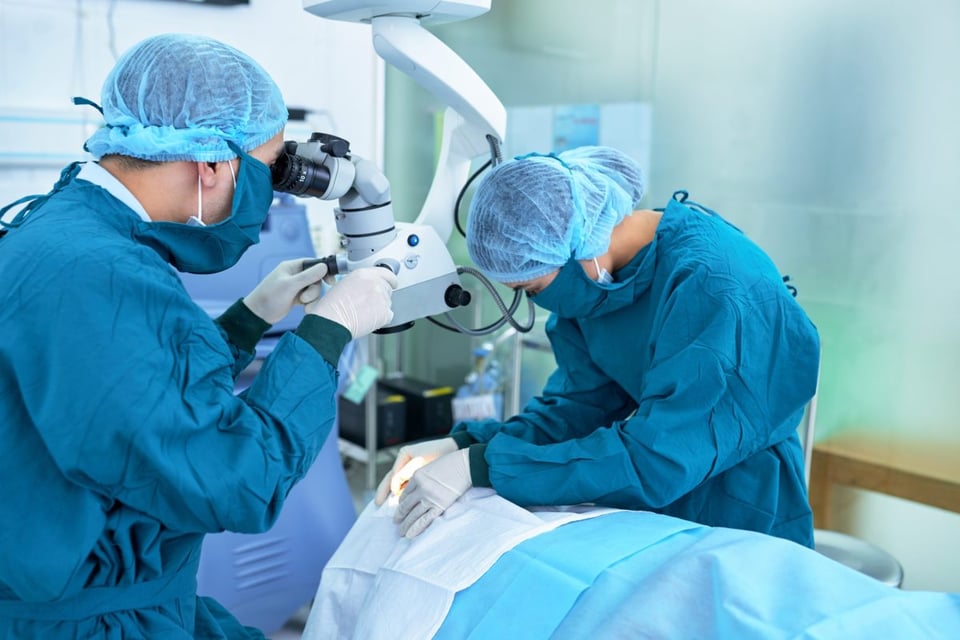
If you notice changes in your vision, seeing a specialist is essential.
Early diagnosis allows for informed decisions and long-term vision protection, helping preserve independence and quality of life.
Cataracts are a common condition that progresses silently but can deeply affect daily life if not treated in time.
You may be interested in: Can Arthritis Pain Be Relieved in 20 Minutes From Home? Users Share Their Experience!
Recognizing the signs, understanding how cataracts develop, and knowing when to seek medical care helps you make informed decisions about your visual health.
Regular eye exams and follow-up with a specialist are fundamental steps to preserving vision and maintaining independence over time.
Warning: This content is for informational and educational purposes only and does not replace evaluation, diagnosis, or treatment by a vision care professional.
Have you noticed changes in your vision or difficulty seeing clearly during everyday activities?
SOURCE: Associated Eye Physicians & Surgeons / National Eye Institute – Causes of cataracts and how they form