The Raids That Shook Los Angeles Left Wounds That Still Have Not Healed







Posted on 06/08/26 at 19:42
- Raids Marked Immigrant Communities
- There Were Protests and Resistance
- Los Angeles Remembers the Impact
The immigration raids carried out one year ago in Los Angeles continue to mark the affected communities, which remember the detentions, deportations, and human consequences stemming from the operations promoted by President Donald Trump’s administration.
The operations carried out on June 6, 2025, in the most populous county in the United States were considered by activists and organizations a turning point in the national strategy of mass deportations.
The Operations Marked Hundreds of Families
Ver esta publicación en Instagram
According to EFE, on the morning of June 6, 2025, agents from Immigration and Customs Enforcement, or ICE, and Customs and Border Protection, or CBP, carried out multiple raids at different points across Los Angeles County.
The operations extended across more than seven locations.
One of the main targets was the company Ambiance Apparel.
More than 40 workers were detained there.
One of them, a 33-year-old immigrant who preferred not to reveal his identity for fear of retaliation, said the experience left a permanent mark.
The worker said he was detained without due process being respected.
YOU MAY BE INTERESTED IN: ICE Arrests Five People After New Protest in New Jersey
He also said it took him more than a week to communicate with a lawyer.
He later spent more than two months held at the Adelanto immigration detention facility in California.
He is currently part of the Lucha Zapoteca campaign, promoted by the Warehouse Workers Resource Center.
The initiative provides support to the 15 workers of Indigenous roots detained at that company.
Three of them have already been deported.
Los Angeles Was Seen as a Testing Ground
The operations also reached a Home Depot store.
Day laborers offering their work were detained there.
Civil rights defenders arrived to try to document possible irregularities.
However, several of them were also detained and faced federal charges.
For community organizations, the raids revealed the strategy that would later be applied in other parts of the country.
Ron Gochez, spokesperson for Unión del Barrio, said Los Angeles functioned as a testing ground for implementing measures aimed at the most vulnerable immigrants.
According to the activist, the goal was to generate fear within the immigrant community.
The actions carried out that day became a reference point for the deportation policy later promoted in other cities.
The government sought to reach the goal of one million deportations during the first year.
The Raids Sparked Community Mobilization
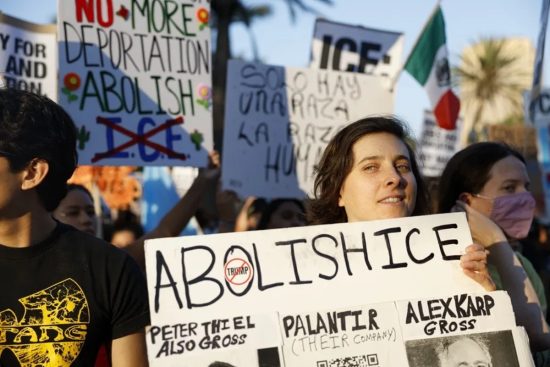
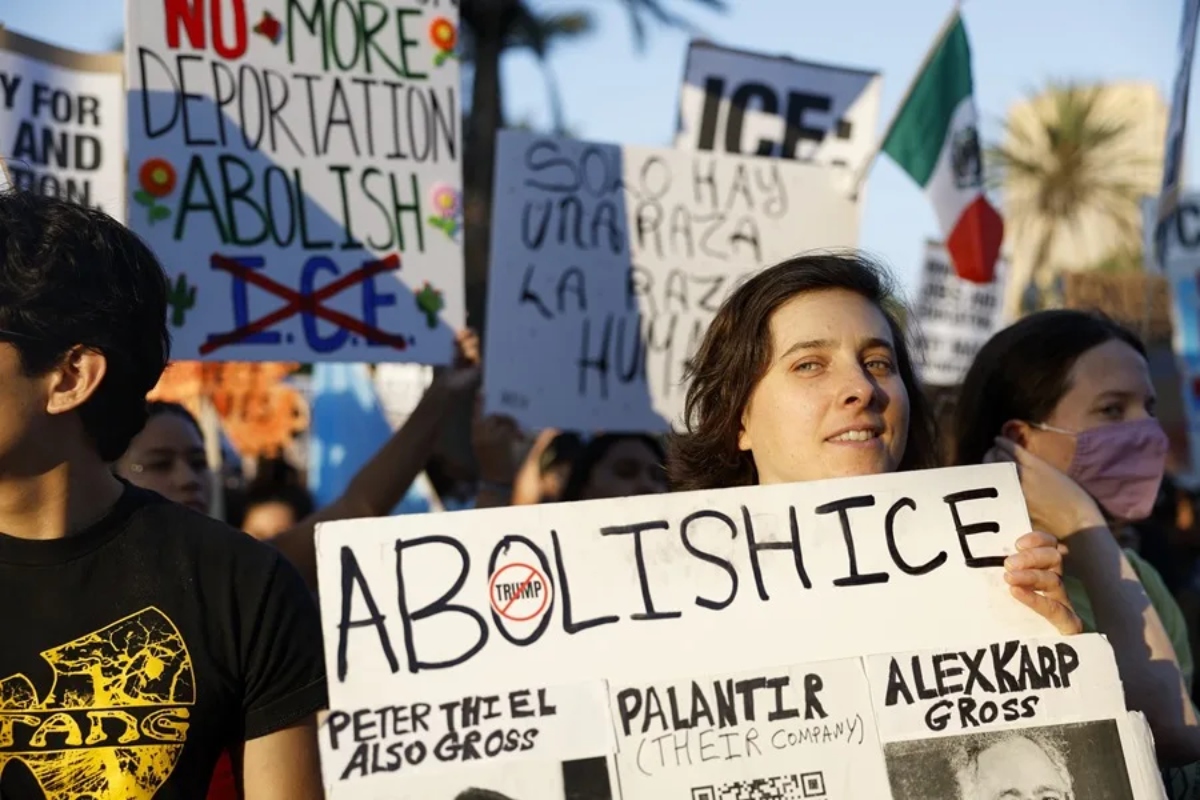
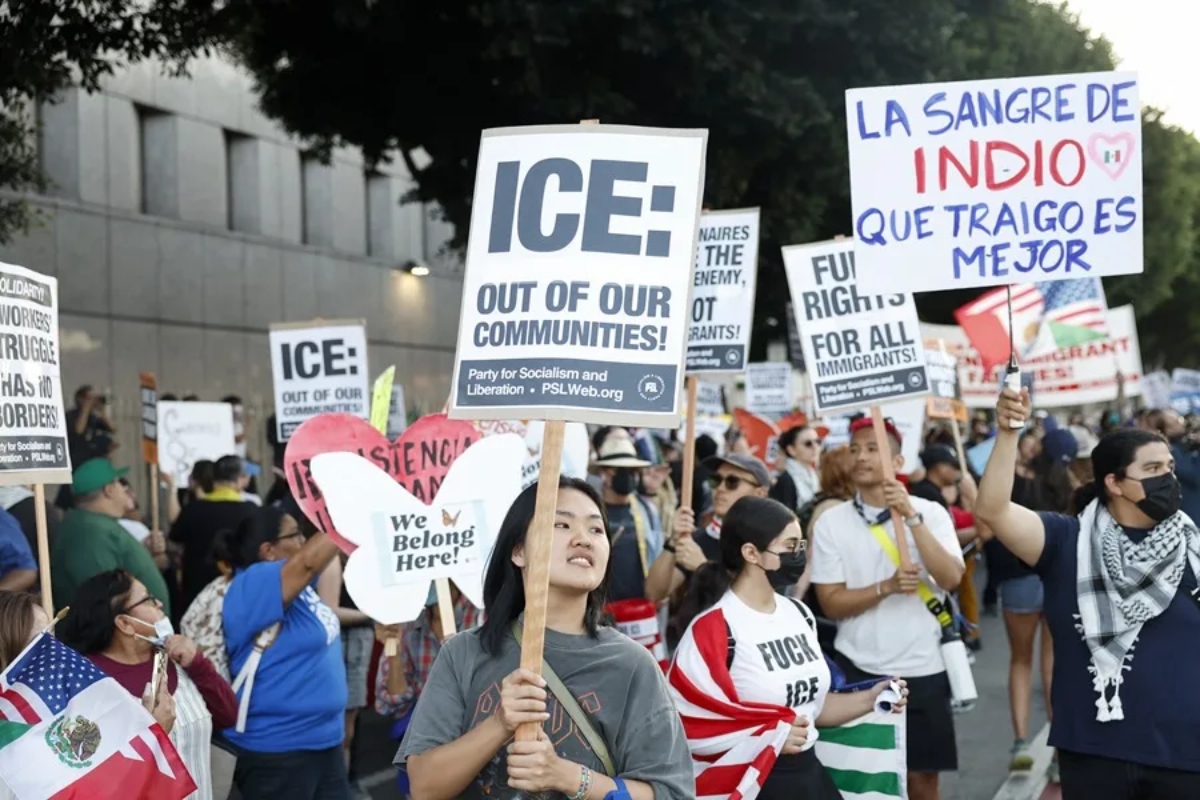
The detentions triggered protests and demonstrations in different parts of Los Angeles.
The mobilizations grew after complaints over the alleged use of excessive force during the operations.
The White House response included deploying the California National Guard without authorization from Governor Gavin Newsom.
According to community organizations, it was a situation that had not occurred in more than six decades.
Angélica Salas, executive director of the Coalition for Humane Immigrant Rights, or CHIRLA, recalled that the community responded in an organized way.
Neighbors, churches, unions, elected officials, the county, and the state participated in joint actions to support those affected.
Among the initiatives was a community alert network that used social media to document the operations.
A lawsuit was later filed alleging that the government arrested and detained people unconstitutionally in order to meet a detention quota.
According to an LAist analysis based on data from the Deportation Data Project, more than 14,000 people were arrested in the Los Angeles metropolitan area during 2025.
Most of them had no criminal record.
The raids were also linked to the deaths of two immigrants who suffered accidents while trying to flee.
Organizations and activists will remember these events this week through various commemorative events.
The gatherings seek to reflect on the harm caused by the raids and keep community mobilization alive.
Los Angeles will host activities throughout the week to remember the impact of the immigration operations and highlight the acts of resistance carried out by organizations and immigrant communities.