New DHS Rules Will Include Green Card Holders







Posted on 10/27/25 at 11:52
- New biometric rules in the US
- Green Card also included
- Mandatory border facial recognition
The United States government announced new rules that expand the DHS biometric data collection to every foreign person entering or leaving the country, including Green Card holders.
The measure, driven by the Department of Homeland Security (DHS), seeks to reinforce border security and reduce the use of false documents through facial technology and other digital tools.
According to the notification published on October 25 in the Federal Register, the rule establishes the obligation to capture photographs and biometric data at all points of entry and exit in the country.
This includes airports, seaports, and land crossings, where Customs and Border Protection (CBP) agents must apply the new procedures, according to Infobae.
Biometric controls in the United States will include residents
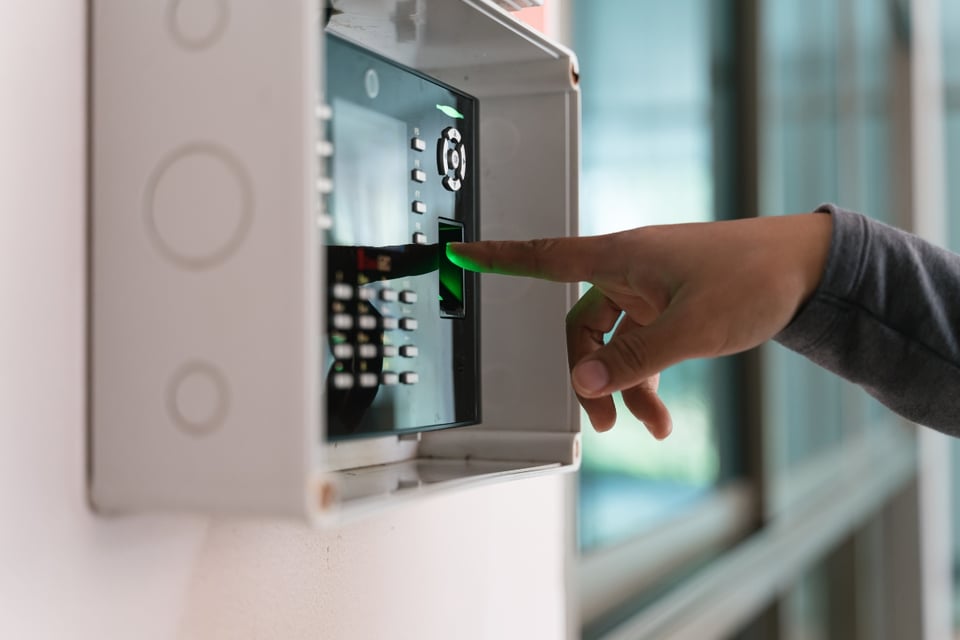
The DHS argues that the measure responds to the need to update verification systems based on technological advancements and national security demands.
The rule will take effect on December 26, 2025, and the public comment period will begin on October 27, as detailed by the agency in its official statement.
YOU MAY BE INTERESTED IN: Travel Without a Visa: The Permit That Allows Entry to the United States
Until now, biometric collection applied mainly to individuals with non-immigrant visas or certain temporary visitors, while legal permanent residents (Green Card holders) and some age groups were exempt.
The new provision eliminates these exceptions and incorporates the mandatory capture of a facial image upon each entry or exit.
From limited pilots to national application
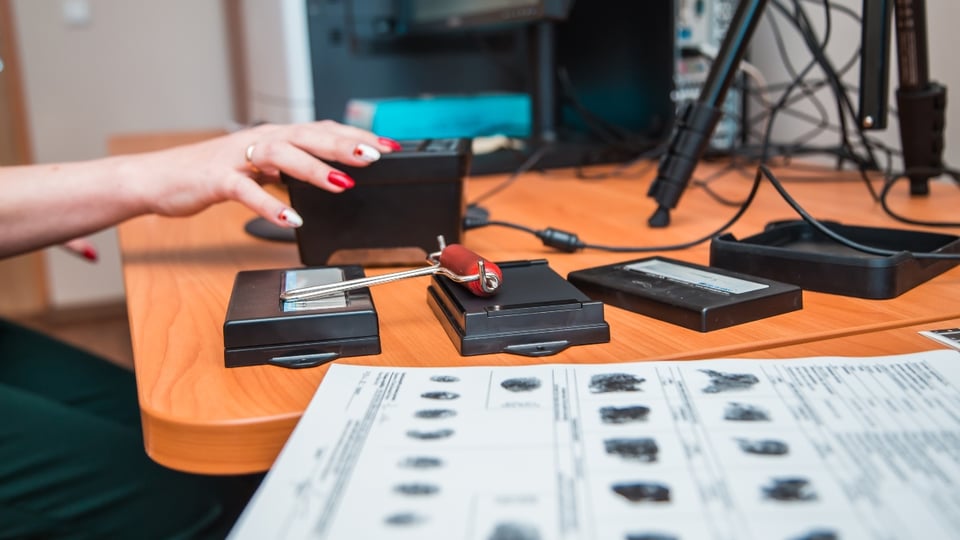
The biometric program is not new: since 2021, the DHS has implemented pilot projects at select ports to test facial recognition and integration with immigration databases.
Media outlets like Reuters reported that legislators and specialists have closely followed its expansion, as the long-term goal is to consolidate a national system that allows for the automated recording of entries and exits.
With this comprehensive system, authorities aim to detect cases of individuals who overstay their authorized period or who violate immigration regulations.
The DHS has also worked with other agencies, including Immigration and Customs Enforcement (ICE), to coordinate the use of biometric information at different stages of the immigration process.
According to CBP, technological improvements now allow for overcoming the logistical obstacles that had limited the system’s full implementation, such as image quality and database interoperability.
What changes for residents, visitors, and minors?
The rule states that all foreign nationals must provide a photograph and other biometric data every time they enter or leave the country, regardless of their immigration status.
This includes temporary visa holders, permanent residents, asylum seekers, and business or tourism visitors.
Among the main changes are:
- Mandatory capture of a facial image at every border crossing.
- Elimination of exemptions for children under 14 and adults over 79.
- Integration of photographs taken by agents with images from official documents and previous databases.
- Real-time comparison between the captured image and stored records.
With these measures, the DHS seeks to unify the identification of all foreign nationals in transit and reduce the possibility of documentary fraud.
The official document maintains that the expansion of biometric control, a key part of the DHS biometric data collection strategy, represents a “necessary modernization” to maintain the integrity of the US immigration system.