CBP Home and “voluntary departure”: the decision that could keep thousands out of the United States for years







Posted on 04/06/26 at 05:39
- CBP Home as an alternative
- Departure triggers immigration penalties
- Irreversible legal risk
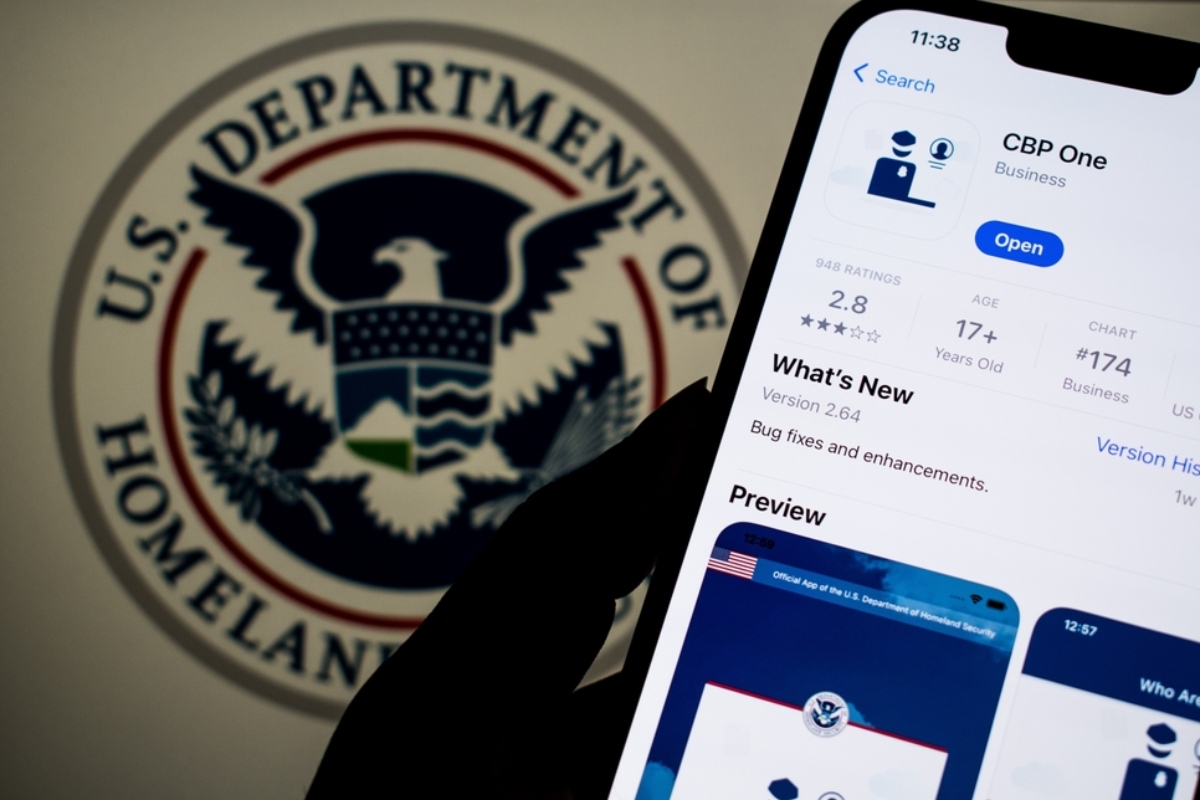
The new CBP Home app is presented as a technological alternative for immigrants to report their voluntary departure from the United States.
However, behind this seemingly simple tool lie legal consequences that could shape the immigration future of thousands of people.
The change comes after the expanded use of CBP One was eliminated, which for years allowed scheduling appointments at designated entry points.
Now, the focus is on facilitating departure notification, but experts warn that the real impact is not always clear.
From asylum to self-deportation

CBP One was created in 2020 and later used as a pathway for asylum seekers to manage legal entry.
With the new shift in immigration policy, that system was canceled and thousands of appointments were eliminated.
You may also like: Trump administration detains pregnant migrants despite prohibition
The remaining functions were transferred to CBP Home, which includes the option to report the intention to leave the country.
The change not only modifies the available technology, but also the institutional message toward those who remain without legal status.
Immigration penalties triggered upon departure
One of the most critical points is that penalties for unlawful presence do not activate while a person remains inside the country.
It is the act of leaving that triggers reentry bans under the Immigration and Nationality Act.
Those who accumulated between 180 days and one year without authorization could face a three-year ban.
Those with more than one year of undocumented presence could be subject to a ten-year ban.
Long-term consequences
The risks of reporting voluntary departure through CBP Home extend beyond immediate effects. Once outside, many immigrants would be unable to return legally for long periods, even if they have family or employment in the United States.
Waiver options exist, but they are limited and difficult to obtain.
The problem, immigration specialists point out, is that the information provided does not always clearly explain these consequences.
The decision to use the app to leave may become a point of no return for those unaware of the scope of the law.
A debate over transparency
Beyond the technological aspect, the debate focuses on how clearly these consequences are communicated.
Promoting voluntary departure without explaining that immigration penalties will be triggered raises concern in the legal field.
The practical effect of the measure may not only be to speed up departures, but to ensure that those who leave face prolonged barriers to return.
Given this scenario, lawyers recommend seeking professional guidance before choosing an action that could close the doors to the country for years and completely redefine a family’s immigration future, according to La Opinión and DHS.